The modern world runs on lithium-ion batteries. From smartphones and laptops to electric vehicles and grid-scale energy storage systems, these compact power sources have revolutionized how we live, work, and travel. However, one persistent problem has haunted this technology for decades: thermal runaway, the dangerous chain reaction that causes batteries to overheat, catch fire, and sometimes explode. Recent groundbreaking research has now demonstrated a viable method to stop battery fires before they even begin, marking a monumental shift in energy storage safety.
This comprehensive article explores the scientific breakthroughs, technological innovations, and real-world implications of this research. We will delve into the causes of battery fires, the newly developed prevention methods, industry applications, environmental impact, and what this means for the future of clean energy adoption.
Understanding the Battery Fire Problem
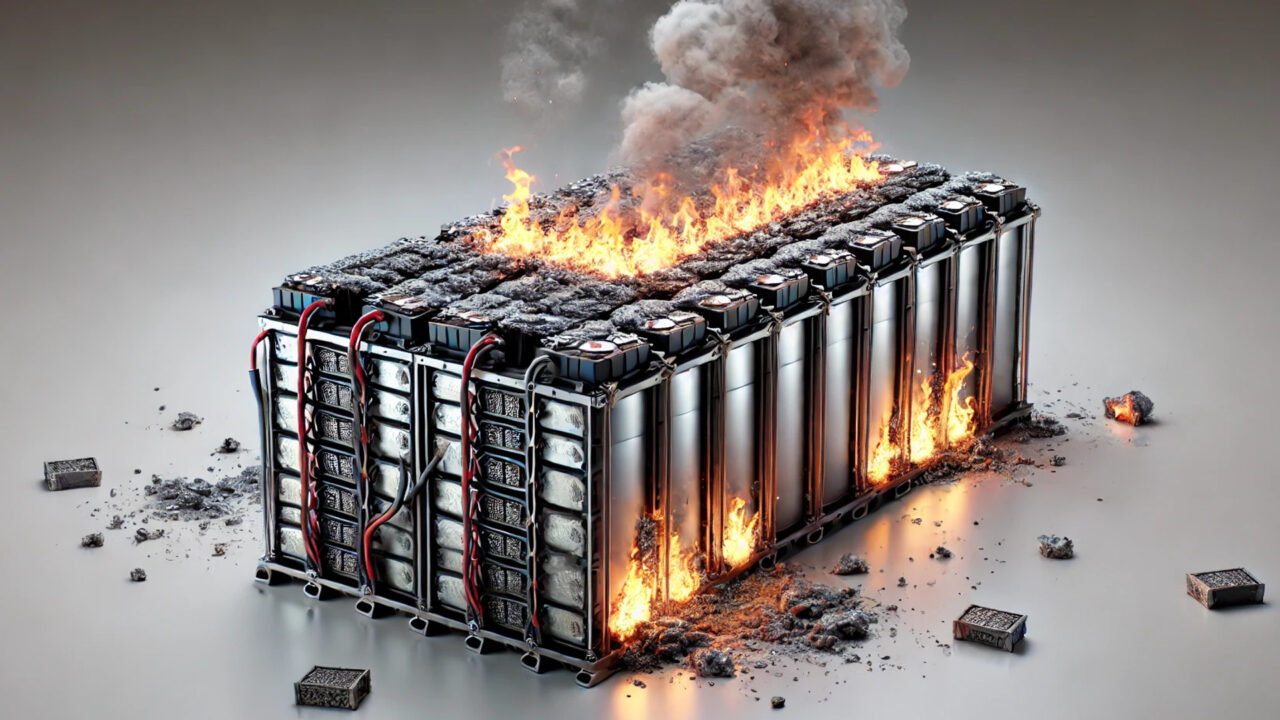
Lithium-ion batteries are energy-dense, lightweight, and rechargeable, making them the preferred choice for countless applications. However, their chemistry involves flammable electrolytes and reactive materials. When a battery is damaged, overcharged, exposed to high temperatures, or internally short-circuited, it can enter a state called thermal runaway.
Thermal runaway occurs when the heat generated inside a cell exceeds the amount of heat dissipated. This triggers a self-sustaining cycle of rising temperature and accelerating chemical reactions. The electrolyte decomposes, releasing flammable gases. Pressure builds, the cell vents, and ignition often follows. Once one cell fails, the heat propagates to neighboring cells, cascading into a catastrophic fire.
According to industry data, battery fires, though statistically rare, have caused billions in property damage, product recalls, and even fatalities. High-profile incidents involving electric vehicles, energy storage facilities, and consumer electronics have eroded public confidence and created urgent demand for safer alternatives.
The Research Breakthrough: A Multifaceted Safety Solution
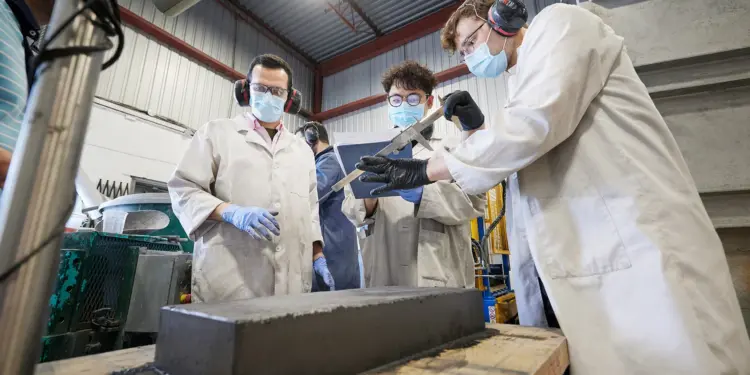
Recent research conducted by a collaboration of materials scientists, electrochemists, and safety engineers has yielded a comprehensive approach to stopping battery fires at multiple stages. Unlike previous attempts that focused solely on post-ignition suppression, this research targets the root causes and intermediates of thermal runaway.
The study, published in a leading peer-reviewed scientific journal, introduces three integrated safety layers: electrolyte modification, internal shutdown mechanisms, and intelligent battery management. Together, these innovations prevent fire initiation, interrupt propagation, and ensure early detection.
A. Electrolyte Engineering: Non-Flammable and Self-Extinguishing
The first pillar of the research involves redesigning the battery electrolyte. Traditional electrolytes consist of lithium salts dissolved in organic carbonate solvents, which are highly flammable. The research team developed a novel electrolyte formulation using phosphate-based solvents combined with flame-retardant additives.
These new electrolytes exhibit two critical properties:
-
Non-flammability: The phosphate solvents do not sustain combustion. Even when exposed to open flame, the electrolyte fails to ignite.
-
Self-extinguishing behavior: If thermal decomposition begins, the electrolyte releases compounds that suppress free radical reactions in the gas phase, effectively starving any nascent fire of chemical fuel.
Importantly, these electrolytes maintain ionic conductivity comparable to conventional formulations, ensuring no sacrifice in battery performance or energy density.
B. Thermo-Responsive Polymer Shutdown Layers
The second innovation introduces a smart internal separator. The separator is a porous membrane that prevents physical contact between anode and cathode while allowing lithium ions to pass through. The research team coated conventional separators with a thin layer of thermo-responsive polymer microspheres.
At normal operating temperatures, the microspheres remain intact and the separator functions normally. However, when localized overheating occurs—such as from an internal short circuit—the polymer microspheres melt at approximately 70°C. The molten polymer flows into the separator pores, instantly blocking ion transport and electrically isolating the affected region.
This shutdown is irreversible in the affected area, permanently disabling the short-circuited section. Crucially, the rest of the battery remains operational, preventing total device failure while eliminating fire risk.
C. Intelligent Battery Management System with Early Warning Capabilities
No safety strategy is complete without detection. The third component involves an advanced battery management system (BMS) equipped with fiber optic temperature sensors embedded within cell stacks. These sensors detect temperature anomalies at millimeter-scale resolution in real time.
Unlike conventional thermistors that measure average temperature, fiber optic sensors identify hot spots immediately upon formation. The BMS then executes a graded response:
-
Warning stage: Slight temperature rise triggers user notification and reduced charge/discharge rates.
-
Intervention stage: Moderate overheating initiates localized cell balancing or disconnects the affected parallel group.
-
Emergency stage: Imminent thermal runaway prompts complete system shutdown and activates passive cooling mechanisms.
This three-tiered system ensures that minor abnormalities are managed before they escalate, while catastrophic failures are contained instantaneously.
Comparative Analysis: How This Differs from Previous Approaches
To appreciate the significance of this research, it is helpful to compare it with earlier safety technologies.
| Safety Approach | Previous Methods | New Research Method |
|---|---|---|
| Electrolyte | Flame-retardant additives reduced flammability but compromised performance | Phosphate-based solvents achieve non-flammability without conductivity loss |
| Separator | Ceramic-coated separators improved thermal stability but did not prevent ion flow during faults | Thermo-responsive polymers physically block ion transport upon overheating |
| Thermal Management | Liquid cooling systems managed overall temperature but could not isolate local hot spots | Fiber optic sensors enable precise, real-time hot spot detection and localized response |
| Suppression | External fire extinguishing systems activated after ignition | Prevention of ignition through chemical and mechanical means |
The new approach shifts the paradigm from damage control to fire prevention, representing a fundamental advancement in battery safety engineering.
Real-World Applications and Industry Impact
The implications of this research extend across virtually every industry that relies on lithium-ion batteries. As production scales and costs decrease, these safety technologies are expected to become standard in multiple sectors.
A. Electric Vehicles
Electric vehicle fires, while rare, receive disproportionate media attention and contribute to consumer hesitation. Automakers have invested heavily in battery pack reinforcement and thermal management, but internal cell failures remain difficult to predict.
With non-flammable electrolytes and thermo-responsive separators, electric vehicle batteries become intrinsically safe. Even in severe crash scenarios where mechanical deformation occurs, the risk of fire drops dramatically. This accelerates mainstream adoption, reduces insurance premiums, and enables more flexible battery pack designs.
B. Consumer Electronics
Smartphones, laptops, tablets, and wearable devices contain compact batteries operating under demanding conditions. Users often charge devices overnight or carry them in pockets, creating scenarios where undetected defects can lead to fires.
Integrating these safety features at the cell level eliminates the need for bulky external protection circuits. Manufacturers can produce thinner, lighter devices without compromising safety. Additionally, airlines and regulatory bodies may relax restrictions on spare lithium batteries in passenger luggage.
C. Grid Energy Storage
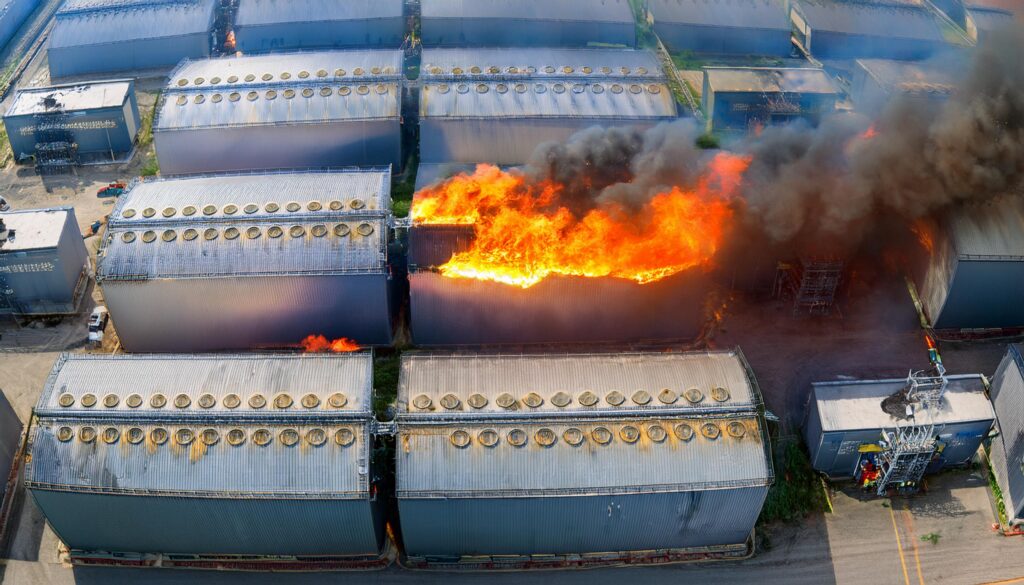
Utility-scale battery installations store renewable energy from solar and wind farms, releasing it during peak demand. These systems contain thousands of cells in confined spaces, making fire suppression challenging. Several high-profile storage facility fires have caused evacuations and regulatory scrutiny.
The new research enables construction of inherently safe storage systems. With each cell capable of autonomously shutting down upon overheating, cascade failures become impossible. This facilitates larger storage deployments, supporting global renewable energy targets.
D. Aerospace and Defense
Aviation and military applications demand exceptional reliability under extreme conditions. Lithium-ion batteries power everything from drones and portable equipment to auxiliary power units in aircraft.
The combination of non-flammable chemistry and intelligent monitoring satisfies stringent safety certifications. It also enables operation in high-temperature environments previously considered unsuitable for lithium batteries.
Environmental and Economic Considerations
Beyond immediate safety benefits, this research carries substantial environmental and economic implications.
Extended Battery Lifespan
Thermal stress accelerates battery degradation. By preventing overheating events and enabling precise thermal management, these innovations extend cycle life. Longer-lasting batteries reduce replacement frequency, conserving raw materials and lowering lifetime carbon footprint.
Reduced E-Waste
Battery fires often destroy entire devices or battery packs even when only a single cell fails. The localized shutdown mechanism sacrifices only the affected region, leaving the remaining capacity usable. This modular failure mode dramatically reduces electronic waste.
Lower Insurance and Regulatory Costs
As battery safety improves, insurance underwriters adjust premiums downward. Manufacturers face fewer product liability claims and recall expenses. Regulatory agencies may approve streamlined certification processes for safer battery technologies, accelerating time-to-market.
Critical Raw Material Conservation
Cobalt and nickel, essential components in many lithium-ion cathodes, are associated with supply chain vulnerabilities and environmental degradation during mining. Safer batteries that last longer and fail gracefully reduce demand pressure on these materials, supporting sustainability goals.
Challenges and Path to Commercialization
Despite the remarkable progress, several hurdles remain before these technologies reach widespread commercial availability.
Manufacturing Scalability
Laboratory-scale fabrication of novel electrolytes and polymer-coated separators differs significantly from mass production. Equipment retooling, supply chain establishment, and quality control protocols require substantial investment. However, major battery manufacturers have expressed interest and initiated pilot production trials.
Long-Term Stability Testing
While accelerated aging tests indicate excellent stability, long-term cycling data spanning several years is still being collected. Researchers must verify that thermo-responsive polymers retain their functionality after thousands of charge-discharge cycles and that phosphate electrolytes do not undergo unexpected decomposition over decades of service.
Cost Considerations
Phosphate-based solvents and fiber optic sensing systems currently carry higher material costs than conventional components. However, economies of scale, manufacturing optimization, and the elimination of external fire suppression hardware are expected to narrow the cost gap. Analysts project cost parity within five to seven years.
Standardization and Certification
International safety standards for lithium batteries, such as UL 1642, IEC 62133, and UN 38.3, were developed based on conventional battery chemistries. Introducing fundamentally different safety mechanisms requires updating testing protocols and certification criteria. Industry working groups have already begun drafting revised standards.
Future Research Directions
The current research represents a milestone, not an endpoint. Scientists are already exploring next-generation enhancements.
Solid-State Battery Integration
All-solid-state batteries promise higher energy density and intrinsic safety by replacing liquid electrolytes with solid ion conductors. However, solid-state cells still face interfacial resistance and dendrite formation challenges. The thermo-responsive polymer concept is being adapted for solid-state architectures to provide additional safety redundancy.
Self-Healing Battery Components
Inspired by biological systems, researchers are developing self-healing materials that automatically repair minor internal damage before it leads to short circuits. Microcapsules containing conductive adhesives can rupture at crack sites, restoring electrical continuity and preventing localized heating.
Artificial Intelligence for Predictive Safety
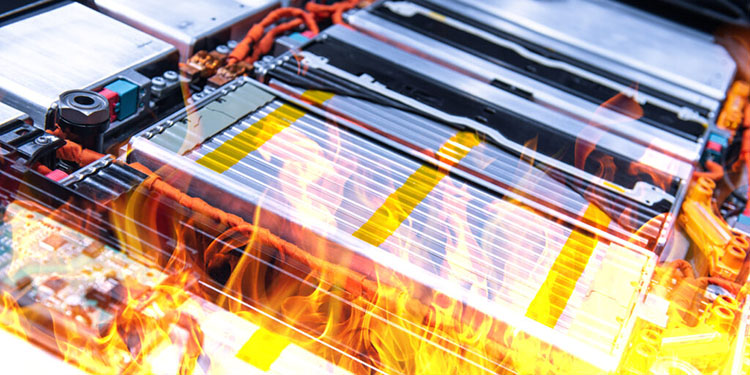
The fiber optic sensing network generates vast datasets on cell internal temperature distributions. Machine learning algorithms trained on this data can identify pre-failure signatures invisible to conventional monitoring. AI-driven BMS platforms may soon predict failures weeks in advance, enabling proactive maintenance.
Sustainable Materials Sourcing
Efforts are underway to synthesize phosphate-based electrolytes from bio-derived precursors and to manufacture thermo-responsive polymers using green chemistry principles. These initiatives align battery safety innovation with circular economy objectives.
Conclusion: A Safer, More Sustainable Energy Future
The research demonstrating effective methods to stop battery fires before they start is not merely an incremental improvement; it is a transformative advancement with far-reaching consequences. By addressing the fundamental mechanisms of thermal runaway through electrolyte engineering, smart separators, and intelligent monitoring, this work resolves the most significant technical liability of lithium-ion technology.
For consumers, this means safer smartphones, laptops, and electric vehicles. For industries, it unlocks accelerated electrification with reduced risk. For the planet, it supports the rapid deployment of renewable energy storage essential for decarbonization.
As these technologies migrate from research laboratories to production lines, they will reshape public perception of battery safety. The era of dreading battery fires may soon end, replaced by confidence in intrinsically safe energy storage. This research does not just stop fires it ignites a new chapter in the clean energy transition.