In recent weeks, a groundbreaking method for removing plastic waste from the world’s oceans has captured global attention. Dubbed the “Viral Hack Cleans Oceans” phenomenon, this innovative approach combines low-cost technology, community participation, and clever engineering to tackle one of humanity’s most pressing environmental crises. As millions of tons of plastic continue to choke marine ecosystems, this viral sensation offers a glimmer of hope and a blueprint for scalable action. But what exactly is this hack, how does it work, and can it truly make a difference? This comprehensive article unpacks every angle of the story, from the science behind the method to its potential for global adoption.
The Origin Story: How a Simple Idea Became a Viral Movement
The phrase “viral hack” typically conjures images of life hacks or digital shortcuts, but in this case, it refers to an ingeniously simple yet highly effective method for extracting floating debris from rivers and coastal areas before it reaches the open ocean. The hack first gained traction on social media platforms such as TikTok, Instagram, and YouTube, where short, visually compelling videos demonstrated how everyday materials could be repurposed into floating boom systems capable of trapping plastic waste.
What started as a grassroots experiment by environmental activists in Indonesia quickly spiraled into a worldwide movement. The core concept involves deploying netting systems attached to floating barriers that guide plastic debris toward collection points. Unlike expensive, high-tech solutions that require massive capital investment, this hack emphasizes accessibility. Local communities can build and maintain these systems using recycled materials, old fishing nets, and bamboo making it particularly attractive for developing nations bearing the brunt of ocean plastic pollution.
The emotional resonance of watching trash being physically pulled from once-pristine waters struck a chord with millions. Influencers, celebrities, and environmental organizations amplified the message, and soon, pilot projects began springing up from the Philippines to Kenya, and from Brazil to Bangladesh. But beneath the feel-good virality lies a serious engineering concept that merits closer examination.
Understanding the Mechanism: How the Ocean Cleaning Hack Actually Works
At its core, the viral ocean cleaning hack is a variation of passive debris capture technology. However, its simplicity is what sets it apart from larger, more mechanized systems. The method typically follows a structured process that can be broken down into several key components:
A. Floating Barrier Installation
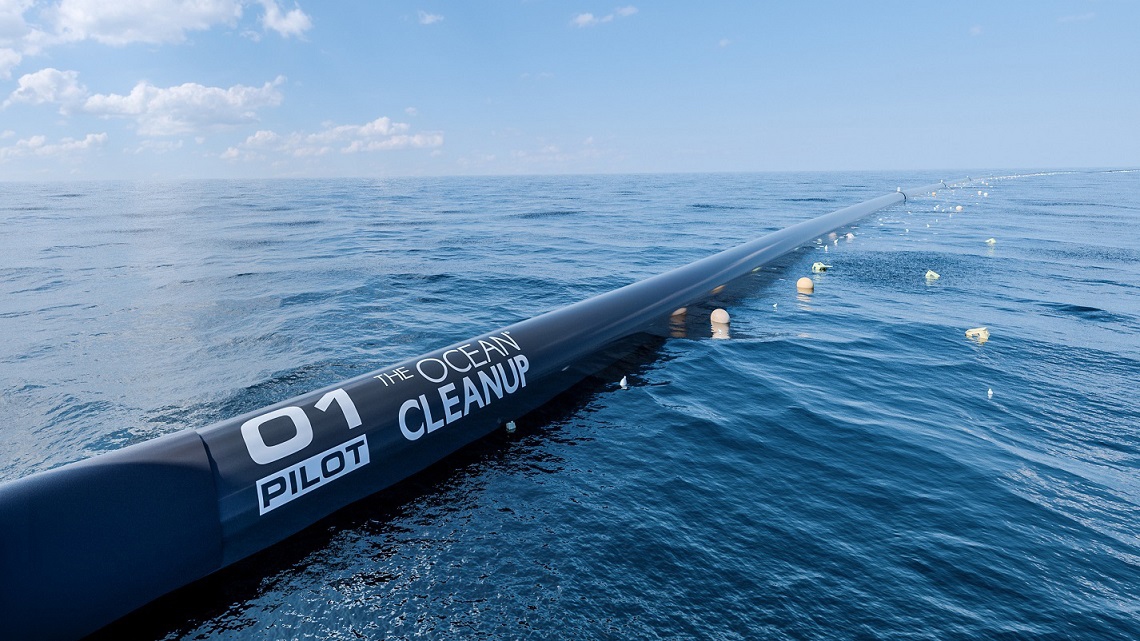
The first step involves creating a floating barrier using buoyant materials such as sealed PVC pipes, recycled plastic drums, or natural bamboo stalks. These barriers are arranged in a V-shape or U-shape formation and anchored to riverbanks or the seabed in coastal areas. The angle of the barrier channels floating debris toward a central collection point without obstructing marine life movement beneath the surface.
B. Netting and Filtration System
Attached beneath the floating barriers are specialized nets with mesh sizes carefully calibrated to capture macroplastics bottles, bags, packaging while allowing smaller organisms and fish to pass through unharmed. Some advanced community projects have begun experimenting with biodegradable netting materials to eliminate microplastic shedding from the nets themselves.
C. Collection and Sorting Units
At the apex of the V-shaped barrier, debris accumulates and is funneled into a collection cage or onto a conveyor system. In low-tech versions, community volunteers manually remove trapped waste using rakes and nets. More sophisticated adaptations incorporate solar-powered conveyor belts that lift debris onto riverbanks for sorting and recycling.
D. Waste Processing and Circular Economy Integration
Capturing plastic is only half the battle; the hack’s sustainability depends on what happens next. Successful implementations have partnered with local recycling cooperatives and waste banks. Collected plastics are sorted, cleaned, and processed into raw materials for new products ranging from eco-bricks for construction to polyester fibers for clothing. This closed-loop approach transforms pollution into economic opportunity.
E. Monitoring and Maintenance Protocols
Regular maintenance is essential to prevent captured debris from re-entering the water. Community-led programs have established rotating schedules for inspecting barriers, repairing damage from storms or boat traffic, and ensuring that collection points do not overflow during peak rainfall seasons.
Why This Hack Went Viral: Psychological and Social Factors
Understanding the rapid spread of this ocean cleaning method requires examining the psychology of viral content. Several factors converged to propel this hack from obscurity to global recognition:
First, the visual impact is undeniable. Watching murky, trash-filled water transform into a cleaner surface within hours creates an immediate emotional payoff. Unlike climate change activism, which often deals with abstract future threats, this hack offers tangible, real-time results.
Second, the accessibility factor cannot be overstated. Many environmental solutions feel out of reach for ordinary citizens, requiring political influence or corporate backing. This hack, however, empowers individuals and small communities. A fishing village with limited resources can implement a basic version using locally available materials.
Third, the narrative aligns with broader cultural shifts toward circular economy thinking and zero-waste lifestyles. Social media algorithms favor content that sparks joy, hope, and a sense of collective efficacy—precisely what these ocean cleaning videos deliver.
Fourth, strategic partnerships with influential figures accelerated the spread. When major environmental nonprofits and celebrities shared the hack with their combined millions of followers, it crossed over from niche environmental circles into mainstream consciousness.
Comparative Analysis: Viral Hack Versus High-Tech Ocean Cleanup Solutions
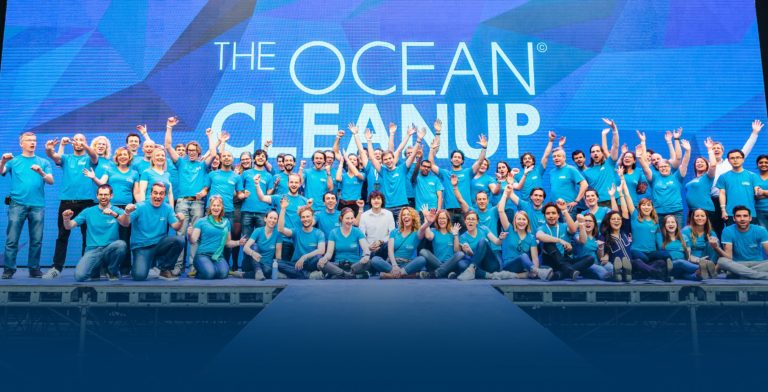
To appreciate the significance of this grassroots innovation, it must be positioned alongside established ocean cleanup technologies. The most famous is The Ocean Cleanup project, founded by Boyan Slat, which deploys massive floating booms powered by ocean currents to extract plastic from the Great Pacific Garbage Patch. While technologically impressive, such systems face criticism regarding cost, bycatch of marine organisms, and the immense logistical challenges of operating in the open ocean.
Similarly, seabins and Mr. Trash Wheels represent effective but localized solutions. Seabins act as floating trash skimmers for marinas and harbors, while Baltimore’s Mr. Trash Wheel uses water wheels to scoop debris from rivers. Both are proven technologies but require manufactured components and ongoing operational funding.
The viral hack occupies a unique niche. It is not intended to replace these technologies but to complement them by focusing on interception points rivers and coastlines where 80 percent of ocean plastic originates according to scientific estimates. By stopping waste before it fragments into microplastics or disperses across vast oceanic gyres, this low-cost intervention achieves high-impact prevention.
Case Studies: Communities Leading the Way
Concrete examples illustrate how theoretical promise translates into real-world impact. In Bali, Indonesia, a community organization modified the viral hack design to address severe plastic pollution in the Ayung River. Using bamboo frames and recycled fishing nets, they constructed ten floating barriers across strategic bends in the river. Within three months, they recovered over 12 tons of plastic waste, preventing it from reaching the Indian Ocean. Local waste collectors gained steady income from selling recyclables, and the project funded educational programs in nearby schools.
In Nigeria, a Lagos-based youth collective adapted the hack for use in the Makoko floating slum. Their innovation involved attaching barriers to stilts and integrating them with existing canoe transport routes. This culturally sensitive adaptation demonstrated that the hack is not a rigid template but a flexible framework requiring localization.
Meanwhile, in the Netherlands, a university research team partnered with a municipality to test an advanced version equipped with sensors that monitor water flow and debris accumulation rates. Early data suggests that optimized barrier angles can increase capture efficiency by 40 percent compared to static installations.
Environmental Impact Assessment: Benefits and Limitations
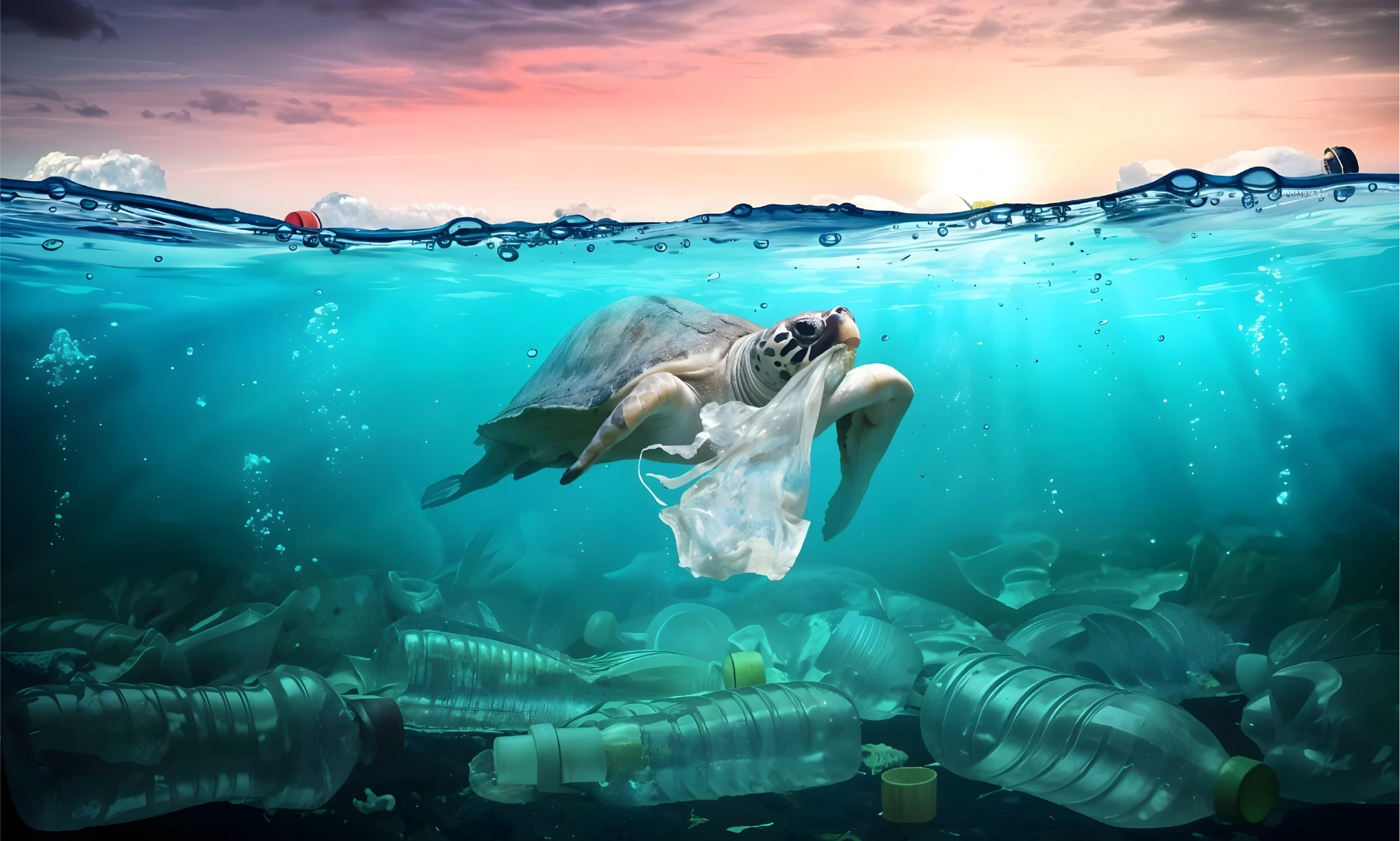
No solution is perfect, and critical evaluation of the viral ocean cleaning hack reveals both strengths and weaknesses. On the positive side, the method offers immediate reduction in visible pollution, which improves water quality and protects wildlife from ingestion or entanglement. It also raises public awareness, fostering environmental stewardship at the community level.
However, limitations exist. The hack primarily targets floating macroplastics but does little to address submerged debris, microplastics already integrated into sediment, or chemical pollutants. Additionally, improperly maintained barriers can become sources of secondary pollution if nets degrade and shed fibers. There is also the risk that visible cleanups create a moral licensing effect, where individuals or corporations feel less urgency to reduce plastic consumption because cleanup efforts appear to be working.
Therefore, experts emphasize that this hack must be integrated into comprehensive waste management strategies rather than treated as a standalone cure-all. Source reduction, improved recycling infrastructure, and policy interventions remain indispensable.
Economic Viability and Scalability Challenges
For the viral hack to achieve global impact, economic sustainability is crucial. The initial investment is minimal compared to industrial alternatives often under $500 for a community-scale system but ongoing costs for labor, maintenance, and waste processing require stable funding models.
Some projects have successfully adopted social enterprise structures, selling recycled materials to manufacturers or offering corporate sponsorship opportunities. Others rely on micro-donations amplified by the same social media platforms that popularized the hack. Crowdfunding campaigns featuring compelling before-and-after footage have proven particularly effective.
Scaling up presents additional challenges. Urban rivers with high pollution loads may require multiple barriers and mechanical assistance to handle peak flows. Furthermore, legal and bureaucratic hurdles can impede installation in waterways under government jurisdiction. Addressing these obstacles demands collaboration between grassroots organizations, municipal authorities, and international development agencies.
The Role of Policy and Corporate Responsibility
While grassroots innovation is inspiring, lasting change requires systemic shifts. Several governments have taken notice of the viral hack and incorporated it into national plastic action plans. Indonesia, for instance, has allocated funds to support community-based river cleanup initiatives inspired by the viral method. The Philippines is exploring tax incentives for corporations that sponsor barrier installations.
Corporate engagement has also increased. Beverage companies and consumer goods giants facing criticism over plastic packaging have begun investing in interception projects as part of corporate social responsibility portfolios. However, environmental advocates caution against greenwashing, urging companies to prioritize packaging reduction alongside cleanup funding.
Future Innovations: What’s Next for Ocean Cleaning Technology?
The viral hack continues to evolve through open-source collaboration. Engineers, designers, and environmental scientists are sharing improvements freely online, accelerating iteration. Emerging variations include modular barrier systems that snap together like building blocks, biodegradable nets infused with enzymes that accelerate plastic degradation, and drone surveillance to identify optimal barrier placement.
Artificial intelligence is beginning to play a role as well. Pilot programs in India are testing computer vision systems that identify debris types and predict accumulation patterns, allowing communities to deploy barriers proactively before monsoon seasons.
How Individuals Can Support the Movement
Readers inspired to contribute have numerous pathways for involvement. Local action remains the most direct method; individuals can organize river cleanups, advocate for municipal adoption of barrier systems, or donate to organizations scaling this technology internationally. Spreading awareness through social media, while avoiding performative activism, also helps maintain momentum.
For those with technical skills, contributing to open-source design repositories or conducting water quality monitoring at project sites adds scientific rigor. Educators can integrate the hack into STEM curricula, teaching students physics concepts through barrier construction and environmental science through waste characterization studies.
Conclusion: A Symbol of Hopeful Pragmatism
The viral ocean cleaning hack represents more than a clever technological fix. It symbolizes a shift in environmental problem-solving away from top-down, capital-intensive mega-projects and toward decentralized, participatory, and emotionally resonant action. Its rapid spread demonstrates the power of social media to catalyze real-world change when paired with accessible, scalable solutions.
Yet it also serves as a mirror reflecting deeper societal contradictions. The very platforms that amplified this hack also drive consumerism and planned obsolescence, generating the waste the hack seeks to remove. True ocean restoration will require not only cleaning what has already been discarded but fundamentally reimagining the relationship between production, consumption, and disposal.
As millions continue to watch, share, and replicate this ocean cleaning method, one thing becomes clear: humanity possesses both the ingenuity to address environmental crises and the collective will to act. The viral hack is proof that sometimes the most profound innovations are not the most complex, but the ones that invite everyone to participate.