In the vast, rust-colored expanse of Mars, where the atmosphere is 96% carbon dioxide and utterly unbreathable for humans, NASA has achieved something that once seemed firmly rooted in science fiction. The agency has successfully, repeatedly, and reliably produced oxygen from the Red Planet’s thin, toxic air. This isn’t a plot from a Hollywood blockbuster it’s the work of a small, toaster-sized device named MOXIE, and it is reshaping what is possible for humanity’s future among the stars.
For decades, the dream of sending astronauts to Mars has been shadowed by one brutal logistical reality: how do you bring enough air, water, and rocket fuel for a round trip that takes years? The answer, it turns out, is not to bring them at all but to make them there. With MOXIE’s success, NASA has proven that in-situ resource utilization (ISRU), the practice of harvesting local materials to support life and industry, is not just a theory, but a tangible, functioning reality on another planet.
This article explores the depth of this achievement, breaking down how MOXIE works, what it means for future crewed missions, the numbers behind its oxygen production, and the long-term vision of a self-sustaining Martian colony.
A Bold Experiment Becomes a Proven Technology
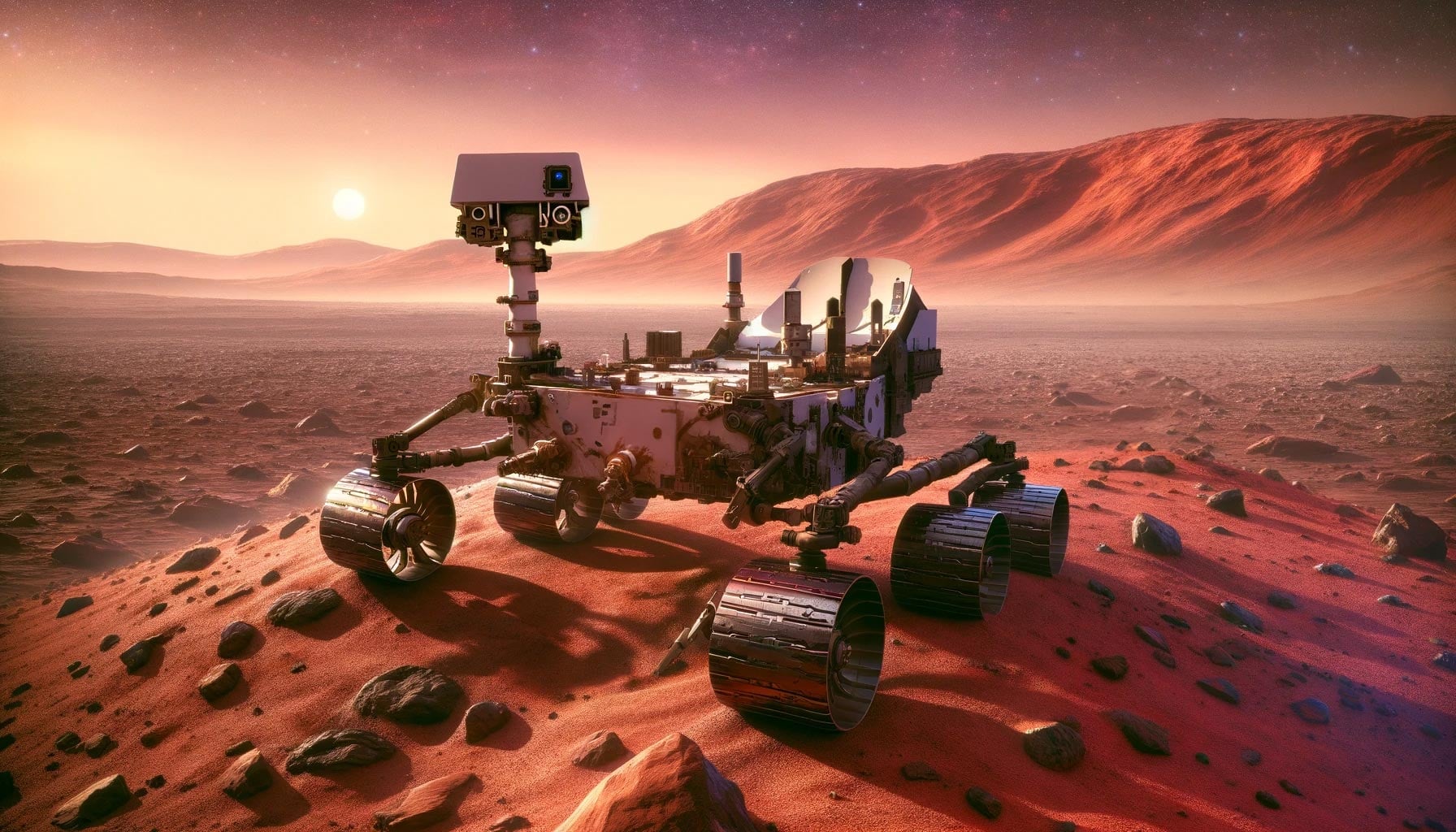
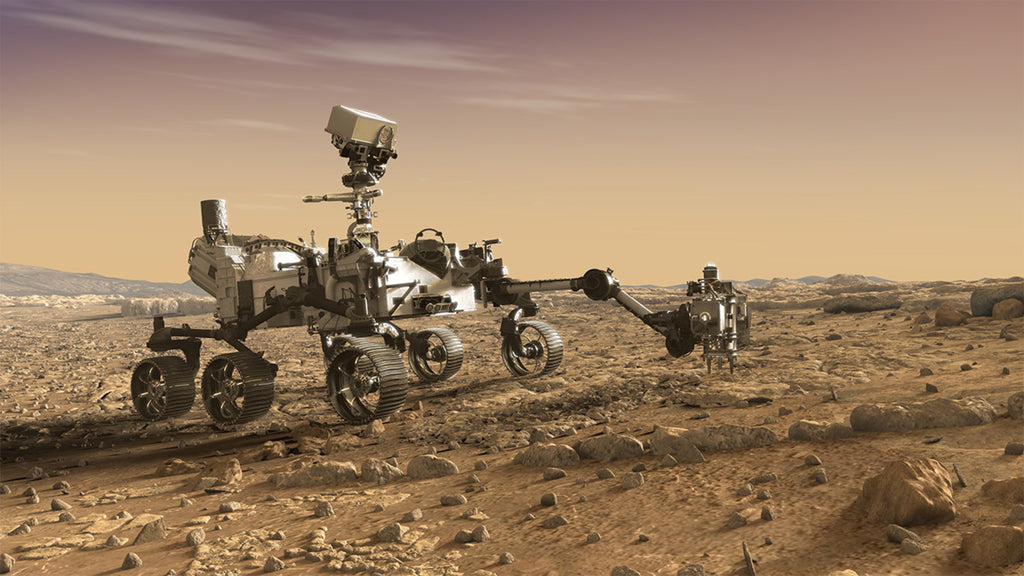
When NASA’s Perseverance rover touched down in Jezero Crater in February 2021, it carried more than cameras, geology tools, and a helicopter. Nestled inside its chassis was MOXIE the Mars Oxygen In-Situ Resource Utilization Experiment. About the size of a car battery, MOXIE was designed to do one thing: take Martian atmospheric gases and chemically split carbon dioxide molecules to produce pure, breathable oxygen.
Originally, the mission for MOXIE was modest. Engineers hoped it would operate successfully a handful of times, producing small amounts of oxygen to validate that the physics worked in the real Martian environment—which has only 0.4% of Earth’s atmospheric pressure and temperatures that can plunge to minus 100 degrees Fahrenheit at night. Expectations were tempered, but MOXIE overdelivered in spectacular fashion.
Over the course of two years, MOXIE completed 16 test runs, producing oxygen during all seasons of the Martian year, at various times of day and night. In its final, most ambitious run, it cranked out 9.8 grams of oxygen—equivalent to about 50 minutes of breathable air for a single astronaut. While that number may seem small, it represents a seismic shift in what engineers now believe is possible for planetary exploration.
The Science of Creating Air from Dust
To understand why this is such a monumental achievement, it is necessary to understand the problem. Mars is not hospitable. Its atmosphere is roughly 100 times thinner than Earth’s, and it is composed almost entirely of carbon dioxide. For human explorers, breathing is impossible. Rocket fuel, which requires oxygen as an oxidizer, is equally unavailable. Any crewed mission would need to transport these essentials from Earth—unless a method could be found to produce them on site.
This is where MOXIE comes in. The device uses a process called solid oxide electrolysis. First, it pulls in Martian air through a HEPA filter that blocks dust particles, including the notorious perchlorates that make Martian soil toxic. The air is then compressed and heated to approximately 800 degrees Celsius. Inside a stack of ceramic electrochemical cells, the carbon dioxide is split: one carbon atom and two oxygen atoms are separated, producing carbon monoxide as a byproduct and allowing the oxygen ions to migrate across an electrolyte membrane. Those ions recombine into breathable, molecular oxygen.
Crucially, the system is designed to be robust enough to withstand the thermal stresses of the Martian surface, the dust storms, and the low pressure. MOXIE’s continued operation across all these conditions has proven that the technology is not a fragile laboratory trick, but a durable industrial prototype.
By the Numbers: What 9.8 Grams Really Means
Oxygen production of 9.8 grams per hour might not sound like much—especially considering a single adult human consumes roughly 55 grams per hour during moderate activity. But MOXIE was never intended to supply a full habitat. It was a pathfinder, a proof of concept. The oxygen it generated was captured, analyzed, and then vented harmlessly back into the atmosphere after each test.
The real story is in the scalability. MOXIE is approximately 1% of the size that would be required for a full-scale human mission. A future system, often referred to as a “MOXIE 2.0” or an industrial oxygen plant, could weigh roughly one ton and operate at 100 times the capacity of the current device. Such a system, running continuously for 26 months prior to a crew’s arrival, could generate the 25 to 30 tons of oxygen needed to launch a Mars Ascent Vehicle back to orbit for a return trip to Earth.
This is the breakthrough: MOXIE has demonstrated that the fundamental chemical engineering works in situ. Scaling it up is an engineering challenge, not a scientific unknown.
Why Oxygen Is the Currency of Mars Exploration
It is impossible to overstate the strategic importance of oxygen on Mars. While its most obvious use is for breathing, its industrial applications are arguably more critical for early missions. Approximately 75% to 80% of the propellant mass required to launch a rocket from Mars is oxygen. Liquid oxygen serves as the oxidizer that combusts with methane or hydrogen fuel. Without it, the rocket is dead weight. If that oxidizer must be hauled from Earth, the payload capacity for scientific equipment, food, and life support is drastically reduced.
By producing oxygen locally, mission planners can slash the initial mass launched from Earth by tens of metric tons. This reduction cascades through the entire mission architecture: smaller launch vehicles, lower fuel costs, and less complexity in interplanetary navigation. In short, MOXIE’s success unlocks a paradigm where Mars missions become logistically plausible rather than astronomically prohibitive.
Engineering Against the Elements
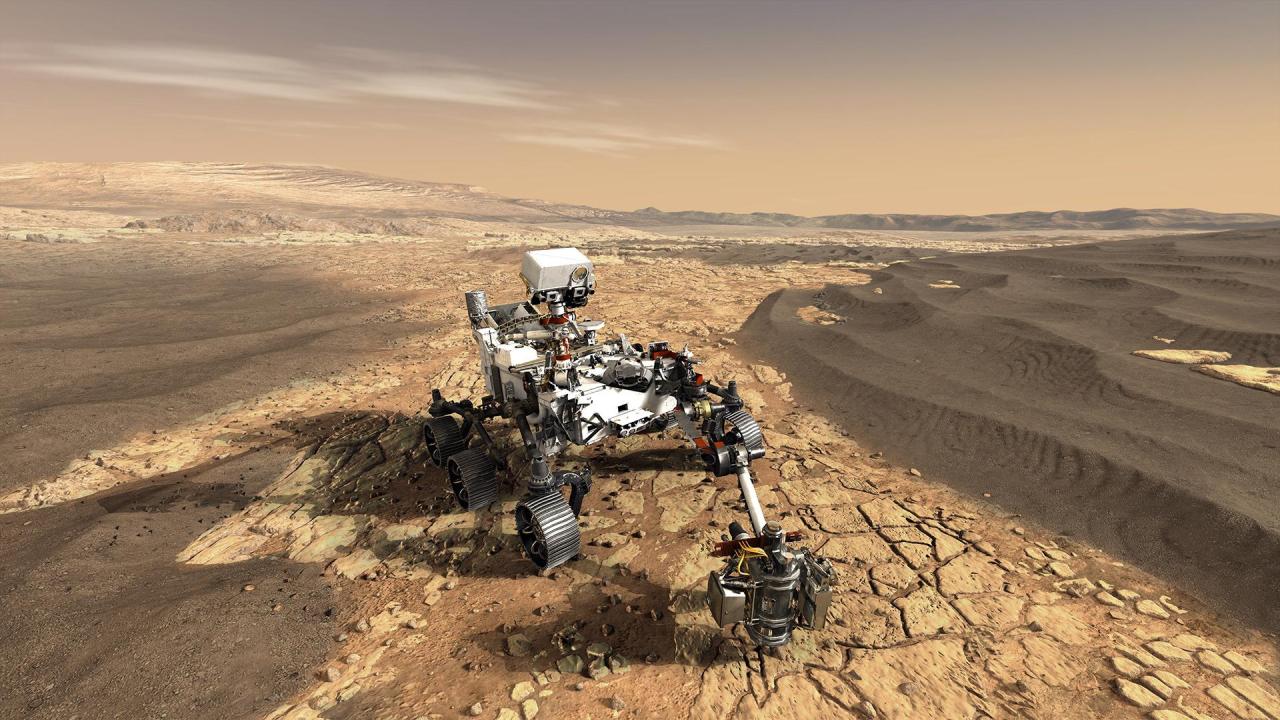
One of the most quietly impressive aspects of MOXIE’s mission is what it endured. Mars is notoriously cruel to machinery. The fine dust that covers the planet is electrostatic and abrasive, prone to sticking to solar panels and clogging mechanical joints. The temperature swings are extreme. The atmospheric pressure is so low that most Earth-tested equipment would fail almost immediately.
Yet MOXIE not only survived it thrived. Engineers at MIT’s Haystack Observatory and NASA’s Jet Propulsion Laboratory monitored the device carefully, watching how its performance varied with temperature and atmospheric density. They observed that MOXIE could produce more oxygen when the atmospheric pressure was higher, such as during Martian winter at Jezero Crater. This adaptability, and the system’s ability to start up and shut down on command, has given engineers a rich dataset to optimize future iterations.
The thermal management alone is a triumph. MOXIE operates at 800°C inside a body that must survive ambient temperatures far below freezing. The insulation and heat exchanger systems were tested in vacuum chambers on Earth, but no simulation can perfectly replicate the complex thermal radiation and convection conditions of another planet. MOXIE succeeded anyway.
The Path from MOXIE to Martian Cities
With MOXIE’s conclusion in 2023, NASA declared the experiment a complete success. But the story is far from over. The next phase is scaling. Engineers are already conceptualizing larger, more efficient oxygen factories that could be deployed ahead of human arrival. These factories would not be scientific experiments; they would be industrial infrastructure.
A. Scaling Production: Future systems will aim to produce several kilograms of oxygen per hour, not grams. This will require larger stacks of electrolysis cells, more robust compressors, and greater power supply—likely from a dedicated nuclear fission reactor.
B. Durability Testing: While MOXIE worked for two years, a full-scale oxygen plant would need to operate for a full 26-month Mars window, often continuously. Long-duration reliability must be validated.
C. Byproduct Utilization: MOXIE currently vents the carbon monoxide byproduct, but future systems might capture it as a feedstock for hydrocarbon fuels or industrial chemistry.
D. Redundancy and Automation: Human-tended systems can be repaired; robotic precursors cannot. Future oxygen plants must incorporate high levels of fault tolerance and autonomous operation.
These are not speculative fantasies. NASA’s Moon to Mars architecture explicitly includes ISRU as a foundational capability, and MOXIE is its first off-world success.
The Broader Implications for Human Settlement
MOXIE’s implications reach beyond rocketry and life support. The ability to process Martian atmospheric resources opens the door to a broader philosophy of planetary settlement: the idea that humans need not be dependent on Earth forever. If we can make oxygen, we can make water (by combining that oxygen with hydrogen brought from Earth or extracted from Martian soil). If we can make water, we can make plant food. If we can make plant food, we can grow food. Each step compounds upon the last.
It also reinforces a crucial narrative: Mars is not a dead world devoid of utility. It is rich in the raw materials that, when processed with human ingenuity, can support life and industry. This psychological shift—from seeing Mars as a barren, hostile wasteland to seeing it as a frontier with resources waiting to be tapped—is perhaps as important as any technological breakthrough.
Addressing the Skeptics
Despite the widespread celebration of MOXIE, some skeptics remain. They argue that producing oxygen on Mars is unnecessary if we simply send more supplies from Earth. They point out that nuclear-powered propulsion could shorten transit times, reducing the total consumables needed. They note the immense cost of developing and landing industrial equipment on another world.
These arguments, however, ignore the fundamental mathematics of space travel. Every kilogram sent from Earth costs tens of thousands of dollars in launch costs and requires enormous amounts of energy to accelerate out of Earth’s gravity well. As mission mass grows, these costs grow exponentially. ISRU is not an optional add-on; it is the only path to sustainable exploration beyond low Earth orbit.
MOXIE’s success provides a clear, data-backed rebuttal to the skeptics. If a toaster-sized device can generate breathable air in a simulated Martian environment, there is no technical reason why a larger system cannot fuel a starship.
A Catalyst for International and Commercial Investment
NASA’s achievement has also sent ripples through the commercial space sector. Companies like SpaceX, which have long spoken of building cities on Mars, now have validated data proving that atmospheric processing is viable. This reduces the perceived risk for private investors and opens the door for public-private partnerships in developing ISRU technologies.
International space agencies are also taking note. The European Space Agency, the UAE, and China have all expressed interest in ISRU technologies. As MOXIE’s design data becomes publicly available, it is likely that future international missions to the Moon and Mars will incorporate similar systems, accelerating the global pace of exploration.
The Legacy of a Small Box on a Big Planet
In the grand narrative of space exploration, certain moments stand out: Sputnik’s beep from orbit, Armstrong’s footprint on the Moon, the first image of a Martian sunset. MOXIE’s quiet hum, splitting carbon dioxide atom by atom, belongs in that lineage. It may not have produced headlines like the Ingenuity helicopter’s flights, but its legacy will be measured in the lives it will one day sustain and the journeys it will make possible.
The oxygen MOXIE generated has long since dissipated into the thin Martian breeze, scattered across the dunes and craters of a world waiting for its first human explorers. But the proof it left behind the data, the confidence, the audacity of the achievement remains. It tells us that we are no longer limited to what we can carry. We can live on what we find. We can build on other worlds.
Conclusion: Breathing Life Into the Future
NASA’s oxygen breakthrough on Mars is more than a technical accomplishment. It is a philosophical declaration that humanity is ready to become a multiplanetary species. MOXIE has shown that with the right tools, we are not prisoners of Earth’s atmosphere. We can take our first steps into the cosmos and find, waiting for us, the very air we need to survive.
The road ahead remains long. There are radiation hazards, gravitational challenges, and the immense psychological toll of isolation to address. But MOXIE has illuminated the path. For the first time, the idea of breathing on Mars is not a dream it is an engineering blueprint. And that changes everything.