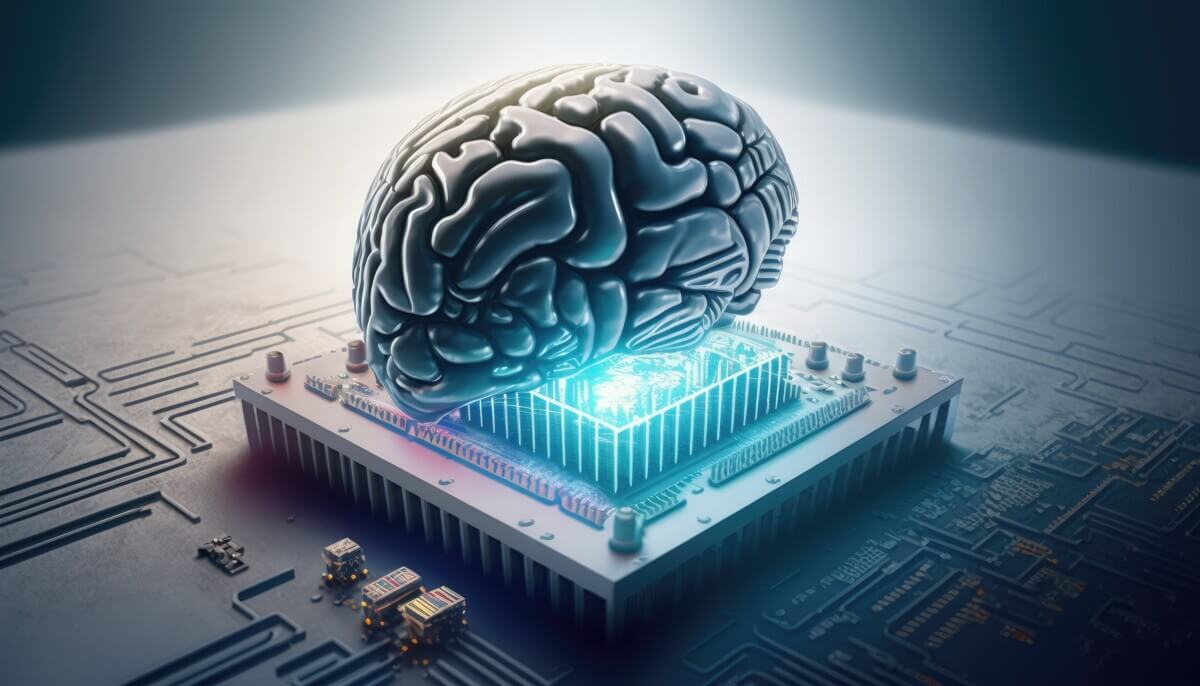
For decades, the concept of implanting technology directly into the human brain was confined to the pages of cyberpunk novels and the imaginations of speculative filmmakers. Today, that fiction is rapidly transforming into fact. Brain chips, once a fringe area of neuroscience, are now edging toward the mainstream. With major tech companies investing billions, regulatory bodies approving human trials, and hospitals beginning to offer neuro-implants for therapeutic use, we are standing at the precipice of a new era. This shift is not merely a technological upgrade; it is a fundamental redefinition of what it means to be human.
While the term “brain chip” often conjures images of mind-controlled smartphones or instant skill downloads, the reality is both more nuanced and more immediately impactful. This article explores the journey of brain chips from laboratory experiments to clinical applications, the science that makes them work, the companies racing to dominate the field, and the profound societal implications of a world where our minds are no longer entirely our own.
Understanding the Core Technology
Before examining how brain chips are entering the mainstream, it is essential to understand what they actually are and how they function. At its most basic level, a brain chip often referred to as a neural implant or brain-computer interface (BCI) is a device that establishes a direct communication pathway between the brain’s electrical activity and an external computing system.
Modern brain chips generally fall into one of two categories:
A. Non-Invasive BCIs. These devices are worn externally, typically as headbands or caps embedded with sensors. They read neural signals through the skull using electroencephalography (EEG). While safe and convenient, they struggle with signal fidelity because bone and tissue distort electrical impulses.
B. Invasive BCIs. These involve surgical implantation of microelectrodes directly into the gray matter of the brain. They provide high-resolution data and bidirectional communication, allowing the user not only to send commands to a machine but also to receive sensory feedback. This category is currently driving the most significant breakthroughs.
The engineering challenge is immense. The human brain contains approximately 86 billion neurons, each firing in complex, overlapping patterns. To be effective, a brain chip must isolate specific neural signals, translate them into digital commands, and do so in real-time all while avoiding triggering the body’s immune response, which naturally attacks foreign objects. Recent advances in flexible materials, ultra-thin polymers, and machine learning algorithms have finally begun to overcome these obstacles.
The Medical Gateway: How Therapy Paved the Way
Brain chips did not arrive as consumer gadgets. Their path to legitimacy was forged in operating rooms and rehabilitation centers. The first wave of successful implants was designed not to enhance healthy brains, but to restore lost function. This medical grounding provided the ethical framework and safety data necessary for broader acceptance.
Deep Brain Stimulation (DBS) represents the earliest widespread use of neural implants. Since its approval in the 1990s for Parkinson’s disease, DBS has helped over 150,000 patients worldwide. By implanting electrodes that deliver constant electrical pulses to specific brain regions, doctors can effectively shut down the abnormal signals that cause tremors. This established a critical precedent: the human brain could accept foreign electronics without catastrophic rejection.
Building on this foundation, researchers developed motor neuroprosthetics. These systems decode signals from the motor cortex and transmit them to robotic limbs or, in more recent applications, to the patient’s own paralyzed muscles via functional electrical stimulation. Patients who have been locked-in for years—conscious but unable to move or speak have used these chips to sip coffee, paint digital art, and communicate with loved ones.
The most profound breakthrough occurred in the field of sensory restoration. Cochlear implants, which bypass damaged ear structures to stimulate the auditory nerve directly, have restored hearing to over 700,000 people. Similarly, retinal implants are now allowing patients with degenerative eye diseases to perceive light patterns and navigate their environment. These devices are, in essence, brain chips that interface with specific sensory cortices. Their success normalized the idea that silicon and biology can coexist.
The Corporate Landscape and the Race for Domination
The current shift toward mainstream adoption is being driven not only by academic institutions but by well-funded private enterprises. Several key players are shaping this landscape, each with distinct philosophies and timelines.
1. Neuralink. Founded by Elon Musk, Neuralink has captured the public imagination with its vision of high-bandwidth interfaces capable of symbiosis with artificial intelligence. The company’s primary innovation is a surgical robot capable of inserting ultra-fine polymer threads—thinner than a human hair—into precise locations within the cortex. Their first human trials focus on enabling paralyzed individuals to control digital devices. However, Musk’s long-term rhetoric clearly points toward consumer adoption, including memory enhancement and telepathic communication.
2. Synchron. This Australian-American company has taken a radically different approach. Instead of penetrating brain tissue, Synchron’s “Stentrode” device is inserted via the jugular vein and guided to the blood vessel adjacent to the motor cortex. This endovascular method eliminates the need for open brain surgery or drilling into the skull. While its signal resolution is lower than Neuralink’s, its safety profile is significantly superior. Synchron received FDA approval for human trials in 2021 and has already implanted several patients who now control computers with their thoughts.
3. Blackrock Neurotech. As the veteran in the field, Blackrock has been providing implantable arrays for academic research for over a decade. Their NeuroPort Array is the most extensively tested invasive BCI in history. They are currently developing a fully implantable wireless system, removing the percutaneous cables that have historically been a source of infection and inconvenience.
4. Academic and International Efforts. Institutions like the University of Pittsburgh, EPFL in Switzerland, and Tsinghua University in Beijing are making significant contributions, particularly in bidirectional interfaces that provide tactile sensation through robotic hands. China has designated neural interfaces as a national priority, suggesting that geopolitical competition will soon extend to neurotechnology.
From Restoration to Enhancement: The Mainstream Shift
The transition from medical necessity to consumer desire is the critical inflection point where brain chips go truly mainstream. Once the technology is proven safe and effective for treating paralysis or blindness, it is a relatively small conceptual leap to offer it for augmentation.
This shift is already visible in several domains:
A. Communication. Current BCIs allow paralyzed patients to type at approximately 20 words per minute by imagining handwriting movements. As speed and accuracy improve, direct thought-to-text communication could replace keyboards and touchscreens. For a generation accustomed to instant digital connection, the ability to send a message simply by thinking about it may become an irresistible convenience.
B. Memory Augmentation. Researchers at DARPA and the University of Southern California have developed implantable memory prosthetics. These devices record neural firing patterns during learning and then stimulate the hippocampus during recall to strengthen memory formation. While initially designed for traumatic brain injury patients, the implication for healthy individuals seeking enhanced cognitive performance is obvious.
C. Sensory Expansion. If a chip can restore sight to the blind, could it provide sight to the sighted in non-visible spectra? Experiments are underway to transmit infrared or ultraviolet information directly into the visual cortex, allowing users to perceive wavelengths normally invisible to humans. Similarly, implants that translate magnetic fields or Wi-Fi signal strength into tactile sensations are technically feasible.
D. Mood Regulation. Closed-loop systems that detect the neural signatures of depression or anxiety and automatically adjust brain chemistry via optogenetic stimulation are in preclinical development. This would represent a paradigm shift from daily pills to real-time neurological homeostasis.
The Skeptics Speak: Unresolved Challenges
Despite the momentum, the path to widespread adoption is strewn with formidable obstacles. These are not trivial concerns that will be solved by the next software update.
1. Biological Durability. The brain is a hostile environment. It moves within the skull, is bathed in corrosive ionic fluids, and contains immune cells that attempt to encapsulate foreign bodies. Current electrodes often degrade or lose signal fidelity within five years. For mainstream adoption, devices must function reliably for decades.
2. Surgical Requirements. Even the least invasive methods require vascular navigation or cranial burr holes. Until implantation becomes an outpatient procedure comparable to Lasik or a dental implant, the barrier to entry remains high.
3. Cybersecurity. If a brain chip is connected wirelessly to the internet as most future models will be it becomes a potential attack surface. The prospect of malicious actors reading neural data or, worse, injecting commands into the brain raises unprecedented security questions. No one wants a “blue screen of death” in their own consciousness.
4. Data Privacy. Your smartphone knows your location and search history. A brain chip could know your fears, your desires, your political leanings, and whether you are telling the truth. Who owns that data? Can it be subpoenaed? Can insurance companies deny coverage based on neural predispositions? Current privacy laws are utterly inadequate for these questions.
5. Equity and Access. Early implants cost hundreds of thousands of dollars. If enhancement becomes available only to the wealthy, we risk creating a biological caste system: the enhanced and the unenhanced. This is not science fiction; it is basic economics.
The Ethical and Philosophical Dimension
The mainstreaming of brain chips forces humanity to confront questions that have no precedent. Unlike smartphones, which are external tools, brain chips blur the boundary between self and machine.
Identity and Authenticity. If a memory is artificially restored by a chip, is it still your memory? If your mood is regulated by an algorithm, are your feelings genuine? These questions challenge long-held assumptions about personhood.
Cognitive Liberty. Many neuroethicists argue that the right to mental self-determination is a fundamental human right. This includes the right to refuse neural surveillance and the right to keep one’s thoughts private. Governments and corporations will need to respect cognitive liberty as rigorously as they respect freedom of speech.
Agency and Responsibility. If a person commits a crime while their brain chip is malfunctioning or being remotely manipulated, who is legally responsible? The individual? The manufacturer? The hacker? Legal systems worldwide are unprepared for this ambiguity.
Projecting the Timeline
Predicting technological adoption is notoriously difficult, but based on current trajectories, a plausible timeline emerges:
-
By 2028: Fully implantable, wireless BCIs will be approved for specific medical conditions such as ALS and spinal cord injury. They will remain expensive and limited to specialized centers.
-
By 2035: Implantation procedures will become less invasive, possibly using micro-scale injectable mesh electronics. Early adopters tech enthusiasts, gamers, professionals will begin seeking implants for enhancement purposes. Regulatory frameworks for consumer neurotechnology will emerge.
-
By 2045: If durability and security issues are resolved, brain chips could be as common as smartphones are today. The distinction between human cognition and artificial augmentation will become functionally irrelevant in urban societies.
Conclusion
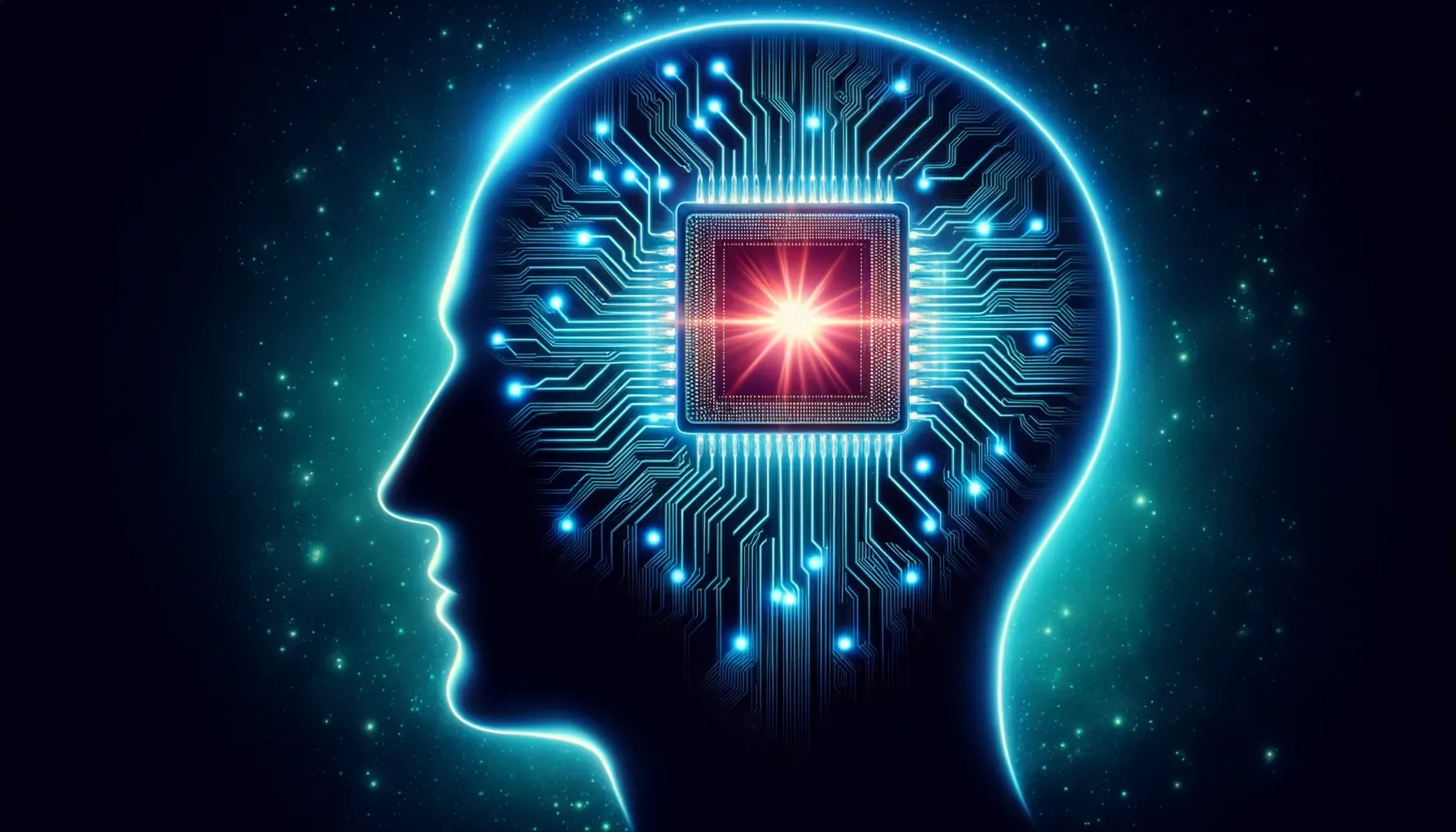
Brain chips are going mainstream not because of a single breakthrough, but because of the convergence of multiple disciplines: neuroscience, materials science, artificial intelligence, and microelectronics. We are moving from an era of treating the brain to an era of augmenting it. This transition carries immense promise the restoration of autonomy to the disabled, the expansion of human perception, the potential liberation from mental illness.
Yet it also carries immense peril. The commercialization of the human mind raises questions about equity, privacy, identity, and freedom that our current social institutions are ill-equipped to answer. As brain chips leave the laboratory and enter the marketplace, we must ensure that the technology serves humanity, rather than reshaping humanity to serve the technology. The future is not something that happens to us; it is something we build. And now, we are building it inside our own heads.