As the global population surges toward a staggering 10 billion by 2050, the question of how to feed everyone grows more urgent by the day. Traditional agricultural methods, while historically reliable, are struggling to keep pace with increasing demand, dwindling natural resources, and the escalating impacts of climate change. In response, a new paradigm has emerged smart farming. This technological revolution in agriculture promises not only to boost productivity but also to create sustainable systems capable of eradicating hunger once and for all. Smart farms integrate cutting-edge innovations such as artificial intelligence, the Internet of Things, robotics, and data analytics to transform how we grow, manage, and distribute food. This article explores the multifaceted world of smart agriculture, its potential to end global hunger, and the challenges that must be overcome to realize this ambitious vision.
1. Understanding Smart Farms: A New Agricultural Era
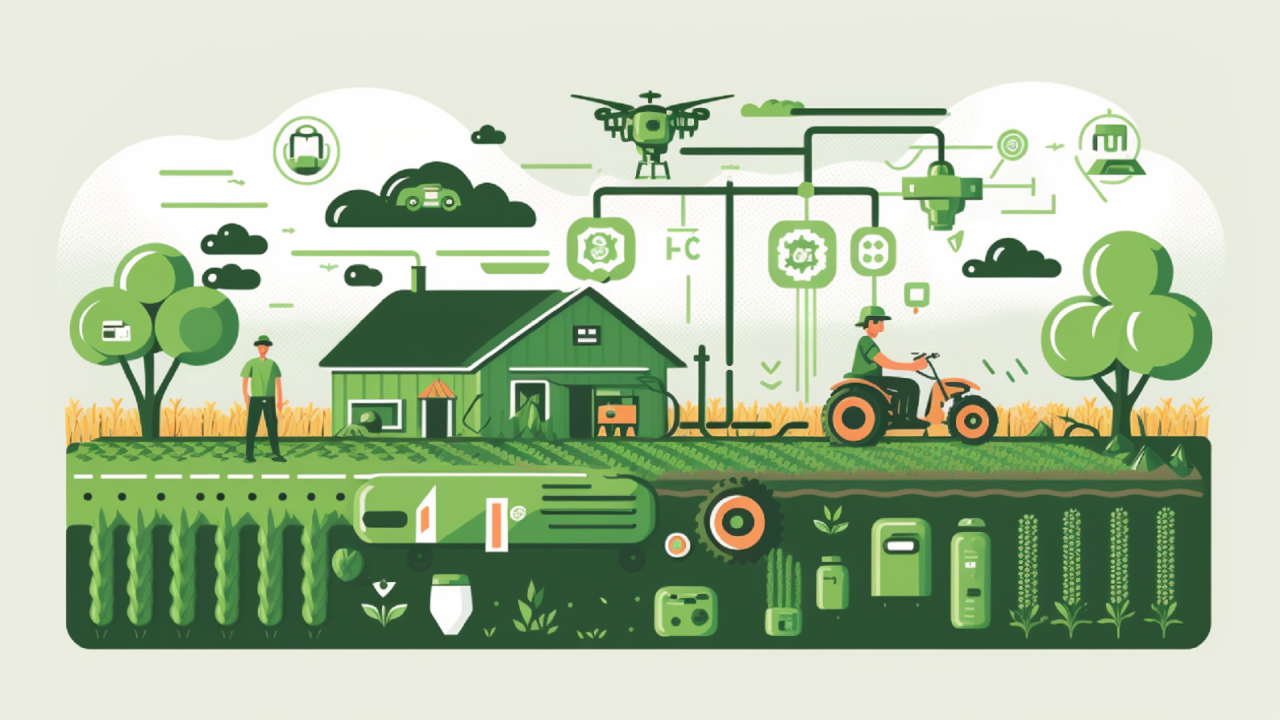
Smart farming, often referred to as precision agriculture, represents a fundamental shift away from conventional farming practices. Instead of applying water, fertilizers, and pesticides uniformly across entire fields, smart farms utilize targeted technologies to optimize every aspect of crop and livestock management. The core philosophy is simple yet powerful: doing more with less while maximizing output and minimizing environmental harm.
A. Key Components of Smart Farming
1. Internet of Things (IoT) Sensors:
IoT devices form the nervous system of smart farms. Sensors placed in soil, on plants, and throughout livestock facilities collect real-time data on moisture levels, nutrient content, temperature, humidity, and animal health. This continuous stream of information enables farmers to make precise, data-driven decisions.
2. Artificial Intelligence and Machine Learning:
AI algorithms analyze the vast amounts of data gathered by sensors. These systems can predict weather patterns, detect early signs of disease, recommend optimal planting times, and even forecast crop yields with remarkable accuracy. Machine learning models improve over time, becoming increasingly effective at solving complex agricultural problems.
3. Drones and Satellite Imagery:
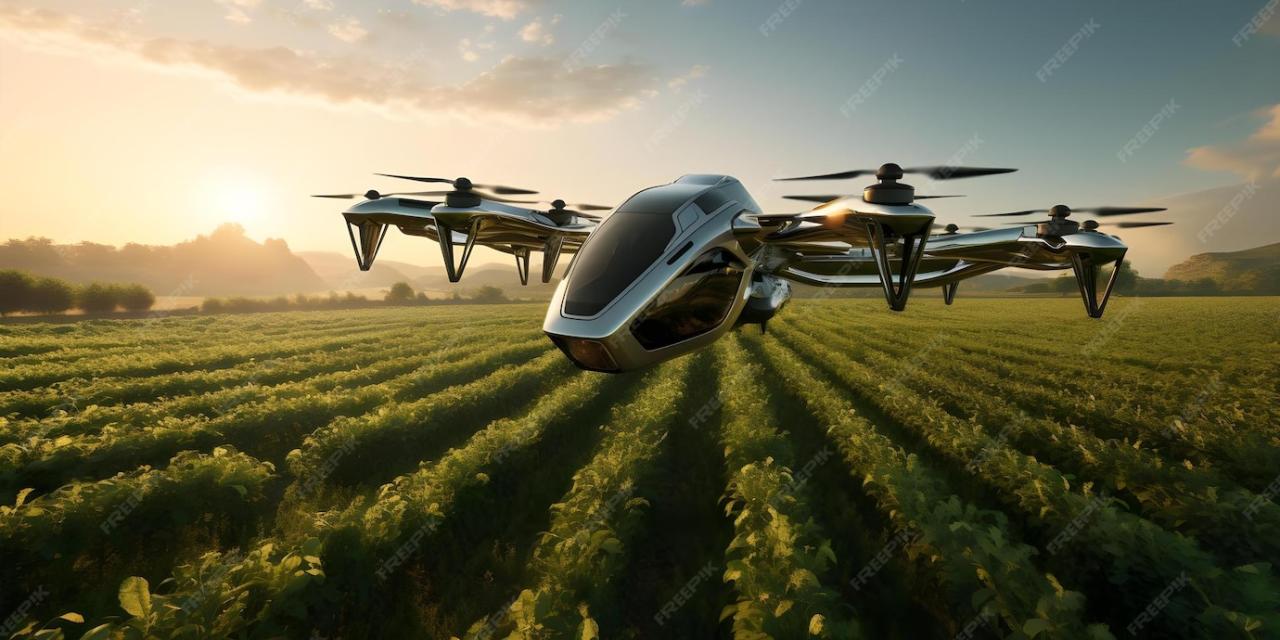
Unmanned aerial vehicles equipped with multispectral cameras provide farmers with a bird’s-eye view of their fields. Drones identify pest infestations, irrigation issues, and nutrient deficiencies long before they become visible to the naked eye. Satellite imagery complements this by offering broader regional insights.
4. Automated Machinery and Robotics:
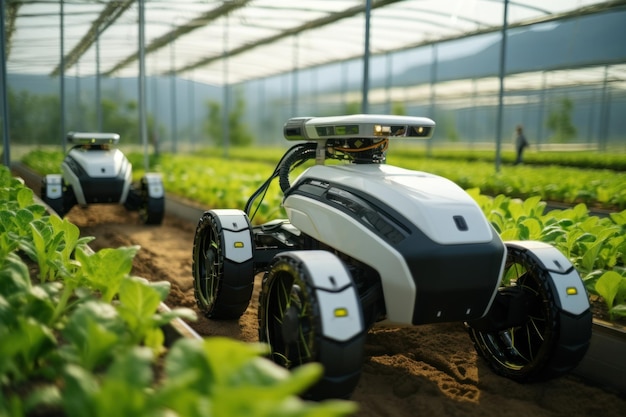
Self-driving tractors, robotic harvesters, and automated weeding machines reduce the need for manual labor while increasing efficiency and precision. These machines operate around the clock, performing tasks with consistency and speed unattainable by human workers.
5. Vertical Farming and Controlled Environment Agriculture:
Smart farms are not limited to rural landscapes. Vertical farms located in urban centers use hydroponics, aeroponics, and LED lighting to grow crops indoors under perfectly controlled conditions. This method eliminates weather-related risks and dramatically reduces water usage.
6. Blockchain for Supply Chain Transparency:
Blockchain technology ensures that food products can be traced from farm to fork. Consumers and distributors gain confidence in food safety and authenticity, while farmers receive fair compensation for their goods.
2. The Global Hunger Crisis: Scope and Scale
To appreciate the significance of smart farms, one must first understand the magnitude of global hunger. According to the United Nations Food and Agriculture Organization, nearly 690 million people worldwide suffer from chronic undernourishment. The COVID-19 pandemic exacerbated this crisis, pushing an additional 150 million people into food insecurity. Conflict, economic instability, and extreme weather events continue to disrupt food systems, particularly in sub-Saharan Africa and South Asia.
A. Root Causes of Persistent Hunger
1. Resource Scarcity:
Fresh water is becoming increasingly scarce, with agriculture consuming approximately 70 percent of global freshwater supplies. Arable land is degrading due to overuse, deforestation, and poor management practices.
2. Climate Change:
Rising global temperatures, erratic rainfall, and more frequent extreme weather events devastate crops and livestock. Smallholder farmers, who produce much of the world’s food, are especially vulnerable.
3. Post-Harvest Losses:
In developing countries, up to 40 percent of harvested food never reaches consumers due to inadequate storage, transportation, and processing facilities.
4. Inefficient Supply Chains:
Fragmented and opaque supply chains often result in food spoilage, price volatility, and inequitable distribution.
Smart farms directly address each of these vulnerabilities, offering scalable solutions that can be adapted to diverse environments and economic conditions.
3. How Smart Farms Combat Hunger
Smart agriculture tackles hunger from multiple angles: increasing production, reducing waste, conserving resources, and empowering farmers. Below is a detailed examination of these transformative mechanisms.
A. Boosting Agricultural Productivity
Precision agriculture enables farmers to achieve higher yields from the same amount of land. By applying water and nutrients only where and when needed, crops grow healthier and more abundantly. For instance, drip irrigation systems controlled by IoT sensors reduce water consumption by 30 to 50 percent while increasing yields by 20 to 90 percent. Similarly, AI-powered pest detection allows for targeted pesticide application, preserving beneficial insects and preventing widespread crop loss.
In sub-Saharan Africa, pilot projects using mobile-based advisory services have helped smallholder farmers increase maize yields by 50 percent. These platforms deliver localized weather forecasts, market prices, and planting recommendations directly to farmers’ phones.
B. Reducing Food Loss and Waste
Smart farms minimize post-harvest losses through improved storage and logistics. IoT-enabled storage facilities monitor temperature and humidity in real time, alerting managers to conditions that could spoil grain or produce. Predictive analytics optimize transportation routes, ensuring that perishable goods reach markets swiftly.
Blockchain-based traceability systems also reduce waste by streamlining supply chains. When every stakeholder has access to accurate information about inventory levels and demand, overproduction and spoilage decline significantly.
C. Sustainable Resource Management
One of the most compelling advantages of smart farming is its capacity to conserve natural resources. Vertical farms, for example, use up to 95 percent less water than conventional agriculture and require no pesticides. Because these farms operate indoors, they can be established in arid regions and densely populated cities alike, reducing the need for long-distance food transportation.
Precision irrigation and fertilization also prevent nutrient runoff, which contaminates waterways and creates dead zones in oceans and lakes. By protecting ecosystems, smart farms contribute to long-term food security.
D. Empowering Smallholder Farmers
Contrary to the misconception that smart farming benefits only large commercial operations, many technologies are accessible and affordable for smallholders. Low-cost soil sensors, smartphone applications, and community-based drone services are leveling the playing field. Organizations like the World Bank and the Food and Agriculture Organization actively support digital agriculture initiatives in low-income countries.
Furthermore, smart farms create new economic opportunities. Young people, who often abandon rural areas in search of urban employment, are attracted to high-tech agricultural careers. This generational renewal is essential for the future of farming.
4. Technological Innovations Driving Smart Farms
The rapid evolution of technology continually expands the possibilities of smart agriculture. Below are some of the most groundbreaking innovations currently reshaping the sector.
A. Artificial Intelligence and Predictive Analytics
AI is revolutionizing crop management. Algorithms trained on decades of historical climate and yield data can now forecast optimal planting windows with extraordinary precision. In India, an AI-powered platform developed by Microsoft predicted pest outbreaks in advance, enabling farmers to take preventive measures and avoid crop losses valued at millions of dollars.
Machine learning also enhances livestock farming. Facial recognition software for cattle monitors individual animals’ feeding behavior, activity levels, and signs of illness, allowing for early intervention and improved animal welfare.
B. Robotics and Automation
Agricultural robots, or agribots, perform tasks that are labor-intensive, repetitive, or hazardous. Weeding robots equipped with computer vision distinguish crops from weeds and eliminate the latter mechanically or with micro-doses of herbicide. Harvesting robots gently pick fruits and vegetables without bruising them, addressing labor shortages in regions reliant on migrant workers.
Autonomous tractors guided by GPS plow, plant, and spray with centimeter-level accuracy, reducing fuel consumption and soil compaction.
C. Vertical Farming and Controlled Environment Agriculture
Vertical farming represents a radical departure from traditional agriculture. By stacking growing trays vertically, these farms achieve yields hundreds of times higher per square meter than open fields. LED lights tuned to specific spectra accelerate photosynthesis, while hydroponic systems deliver nutrients directly to plant roots.
Companies like AeroFarms and Plenty are proving that vertical farming can be commercially viable and nutritionally superior. Leafy greens grown indoors often contain higher vitamin concentrations than field-grown counterparts.
D. Biotechnology and Gene Editing
While not exclusive to smart farms, biotechnology complements precision agriculture. CRISPR gene editing develops crop varieties resistant to drought, pests, and diseases. These traits reduce reliance on chemical inputs and stabilize yields under adverse conditions.
E. Renewable Energy Integration
Smart farms increasingly incorporate solar panels, wind turbines, and bioenergy systems. Renewable energy powers sensors, irrigation pumps, and climate control equipment, reducing operational costs and carbon footprints. In off-grid rural areas, solar-powered cold storage units preserve perishable food without requiring connection to unreliable electrical grids.
5. Case Studies: Smart Farms in Action Around the World
Examining real-world implementations of smart farming provides compelling evidence of its potential to end hunger.
A. Kenya: IoT for Smallholder Dairy Farmers
In Kenya, a startup called iCow offers mobile-based services to small-scale dairy farmers. Subscribers receive personalized advice on feeding, breeding, and animal health. The platform also connects farmers with veterinary services and formal milk buyers. Since its launch, iCow has improved milk yields by an average of 40 percent and increased household incomes significantly.
B. Netherlands: The Global Leader in Precision Agriculture
Despite its small land area, the Netherlands is the world’s second-largest agricultural exporter by value. Dutch farmers employ greenhouse technology, sensor networks, and data analytics to produce vast quantities of tomatoes, peppers, and flowers with minimal water and fertilizer. The country serves as a model for how smart farms can achieve food sovereignty even under geographical constraints.
C. Japan: Robotics in Rice Cultivation
Japan’s aging farming population necessitated automation. Researchers developed autonomous rice transplanters and combine harvesters that operate with minimal human supervision. These robots maintain productivity levels while reducing physical strain on elderly farmers. Similar technologies are being adapted for other staple crops.
D. United States: Blockchain for Food Traceability
Walmart and IBM collaborated on a blockchain initiative to trace the origin of leafy greens. Using the Food Trust platform, the time required to track produce from farm to store shelf dropped from seven days to 2.2 seconds. Rapid traceability prevents contaminated food from reaching consumers and reduces waste during recalls.
6. Overcoming Barriers to Adoption
Despite its promise, smart farming faces significant hurdles, particularly in the developing regions where hunger is most acute.
A. High Initial Costs
Advanced equipment like drones, sensors, and automated machinery requires substantial upfront investment. Smallholder farmers with limited access to credit cannot easily afford these technologies. Government subsidies, microfinance programs, and public-private partnerships are essential to bridge this gap.
B. Digital Divide
Smart farms depend on reliable internet connectivity, which remains scarce in many rural areas. According to the International Telecommunication Union, nearly three billion people have never used the internet. Expanding broadband infrastructure and developing offline-capable applications are critical priorities.
C. Literacy and Technical Training
Even when technology is available, farmers must possess the skills to use it effectively. Extension services must evolve to include digital literacy training, data interpretation, and equipment maintenance. Peer-to-peer learning networks and farmer field schools have proven effective in numerous contexts.
D. Data Ownership and Privacy
As farms generate enormous quantities of data, questions arise regarding who owns this information and how it may be used. Clear regulations are necessary to prevent exploitation by large corporations and to ensure farmers retain control over their data.
E. Cultural Resistance
Generational and cultural attitudes can impede adoption. Some farmers distrust technologies they do not understand or fear that automation will render traditional knowledge obsolete. Demonstrating tangible benefits through pilot projects and involving community leaders in technology deployment helps overcome skepticism.
7. The Role of Policy and Global Cooperation
Ending hunger through smart farming is not solely a technological challenge; it is also a political and economic one. Governments, international organizations, and private sector actors must collaborate to create enabling environments.
A. National Agricultural Strategies
Countries should integrate digital agriculture into their national food security plans. This includes investing in rural broadband, funding agricultural research and development, and reforming land tenure systems to encourage investment.
B. International Partnerships
Organizations such as the Food and Agriculture Organization, the World Bank, and the Bill and Melinda Gates Foundation already finance smart farming initiatives worldwide. Scaling these efforts requires sustained commitment and knowledge sharing across borders.
C. Ethical Trade and Fair Pricing
Smart farms can increase productivity, but farmers must receive fair compensation for their harvests. Ethical trade certifications, direct-to-consumer sales platforms, and cooperatives strengthen farmers’ bargaining power.
8. Future Prospects: Toward a Hunger-Free World
The trajectory of smart farming is overwhelmingly positive. As technology costs decline and connectivity expands, precision agriculture will become accessible to an ever-wider population. Emerging innovations such as lab-grown meat, insect farming, and salt-tolerant crops will further diversify food sources.
However, technology alone cannot end hunger. Equitable distribution, political will, and social justice are equally indispensable. Smart farms provide the tools; humanity must wield them wisely.
Conclusion
Smart farms represent far more than a collection of impressive gadgets and algorithms. They embody a paradigm shift in humanity’s relationship with food production one defined by efficiency, sustainability, and resilience. By harnessing data, automation, and ecological awareness, these intelligent agricultural systems can close the yield gap, conserve precious resources, and empower the farmers who feed the world.
The vision of a hunger-free future is no longer utopian. It is a tangible goal within reach, provided that the global community acts with urgency and equity. Smart farms are not merely an option; they are a necessity. The seeds of this revolution have already been sown. Now, we must nurture them until every person on Earth has enough to eat.