The fashion and textile industries are undergoing one of the most significant transformations in modern history. At the heart of this change lies a groundbreaking innovation: lab-grown leather. No longer a distant concept confined to science fiction, this biofabricated material is rapidly gaining traction among luxury brands, environmentally conscious consumers, and forward-thinking manufacturers. As the world grapples with the environmental toll of traditional leather production and the limitations of synthetic alternatives, lab-grown leather emerges not merely as an alternative, but as the future of ethical fashion.
Understanding Lab-Grown Leather: A New Category of Material
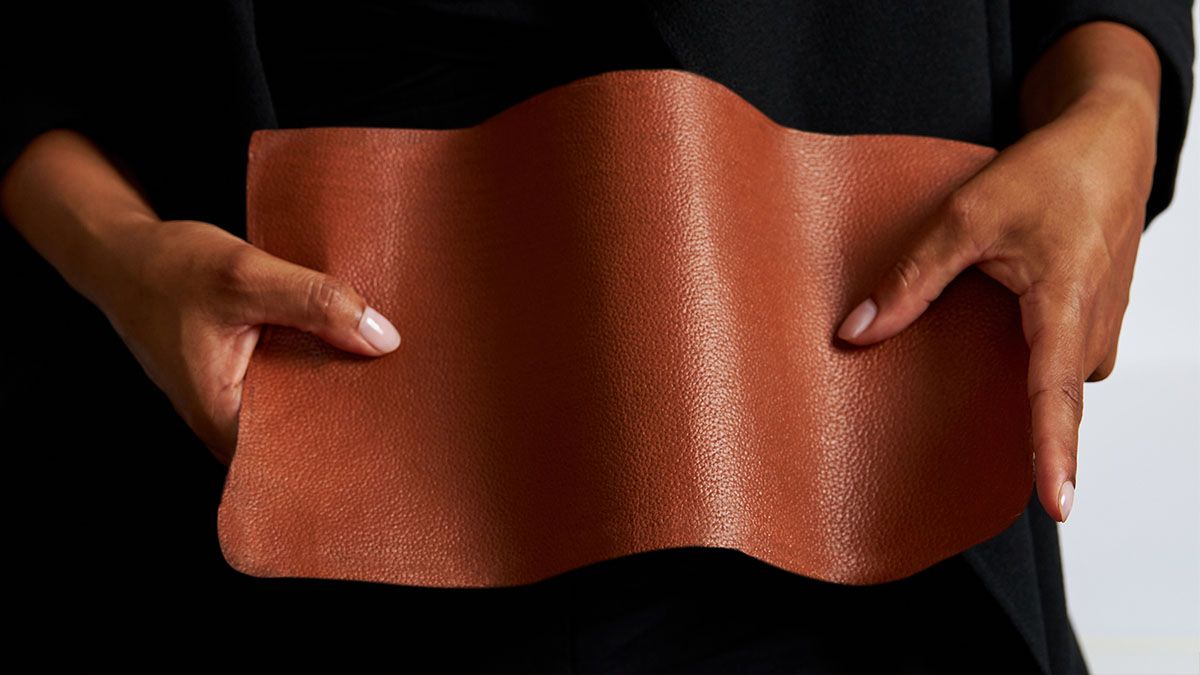
Lab-grown leather, also referred to as cultivated leather, biofabricated leather, or cell-cultured leather, is exactly what its name suggests. It is real animal leather produced without the animal. Unlike vegan leathers made from petroleum-based plastics such as polyurethane (PU) or polyvinyl chloride (PVC), lab-grown leather is biologically identical to traditional cowhide. It consists of genuine collagen fibers, the protein that gives leather its strength, durability, and texture.
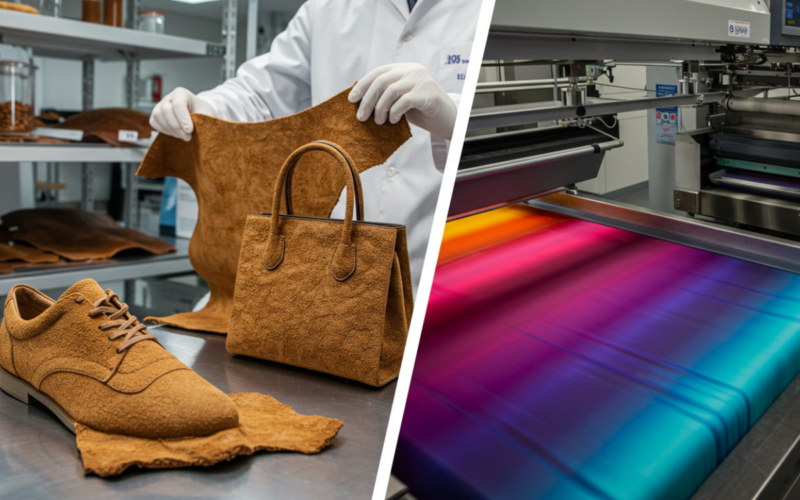
The production process begins with a small, painless biopsy taken from a living animal. From this sample, scientists isolate fibroblast cells responsible for producing collagen. These cells are placed in a nutrient-rich culture medium within a bioreactor, a controlled environment that mimics the conditions inside an animal’s body. Over several weeks, the cells multiply exponentially and synthesize collagen, which is then organized into three-dimensional sheets of tissue. This tissue undergoes tanning and finishing processes similar to conventional leather, resulting in a material indistinguishable from its animal-derived counterpart.
Environmental Catastrophe of Conventional Leather
To fully appreciate the significance of lab-grown leather, one must understand the environmental devastation caused by traditional leather production. The leather industry is inextricably linked to factory farming, an industry responsible for approximately 14.5 percent of global greenhouse gas emissions. Cattle farming alone consumes vast quantities of land, water, and feed while producing methane, a greenhouse gas 28 times more potent than carbon dioxide over a century.
The tanning process compounds this ecological damage. Chrome tanning, which accounts for roughly 85 percent of global leather production, relies heavily on chromium sulfate and other heavy metals. Developing nations with lax environmental regulations often bear the brunt of this pollution. Tanneries discharge untreated wastewater containing chromium, sulfides, and acids directly into rivers, poisoning aquatic ecosystems and endangering human communities. The World Bank estimates that leather tanning generates 40 to 50 liters of wastewater per kilogram of hide processed.
Furthermore, conventional leather production requires enormous land resources. Rearing cattle for leather competes with food crops for arable land and contributes directly to deforestation in the Amazon rainforest and other critical biomes. Approximately 80 percent of deforested land in the Amazon is now used for cattle pasture.
Synthetic Leather: Not a Sustainable Solution
Given these realities, many consumers have turned to synthetic leather alternatives under the assumption they represent an ethical choice. However, petroleum-based leathers present their own environmental challenges. These materials are derived from fossil fuels, a non-renewable resource. Their production emits volatile organic compounds and other hazardous air pollutants. Moreover, synthetic leathers shed microplastics during washing and use, contaminating oceans and entering the food chain. At the end of their life cycle, they languish in landfills for centuries, slowly fragmenting into smaller particles rather than biodegrading.
Plant-based leather alternatives, such as those made from pineapple leaves, apple peels, or mushroom mycelium, offer improvements but face scalability challenges and often still incorporate petroleum-based coatings or backing materials to achieve durability. Lab-grown leather addresses these shortcomings by offering genuine leather performance without the animal welfare concerns or environmental devastation.
Pioneering Companies Driving the Revolution
Several innovative biotechnology companies have emerged as leaders in the lab-grown leather space, each developing proprietary methods to scale production and reduce costs.
Modern Meadow, founded in 2011, stands as one of the earliest pioneers in this field. The company initially focused on growing leather directly from cells but has since pivoted to develop biofabricated collagen proteins for use in coatings, adhesives, and other materials. Their technology platform enables the production of animal-free collagen without genetic modification, using yeast fermentation similar to brewing beer.
VitroLabs, headquartered in California, has partnered with luxury fashion houses including Kering, the parent company of Gucci and Balenciaga. The company cultivates leather from small animal biopsies and has made significant strides in scaling its production process. VitroLabs secured investment from Agronomics and other biotechnology-focused venture capital firms, signaling growing confidence in commercial viability.
MycoWorks takes a different approach, cultivating leather from mycelium, the root structure of mushrooms. While not strictly cell-cultured animal leather, their Fine Mycelium technology produces materials with strength and durability comparable to cowhide. The company operates a commercial-scale production facility in South Carolina and supplies materials to prominent fashion brands.
Qorium, formed through a merger of European cultivated leather companies, has achieved breakthroughs in creating full-thickness leather samples that include both the grain and corium layers found in traditional hides. Their bioreactor technology demonstrates the potential for continuous, scalable production.
Technological Hurdles and Breakthroughs
Despite remarkable progress, lab-grown leather producers continue navigating substantial technical challenges. The primary obstacle remains cost reduction and production scale. Culturing animal cells requires specialized growth media containing amino acids, sugars, vitamins, and growth factors. Historically, these nutrients derived from fetal bovine serum, an expensive and ethically problematic component harvested from pregnant cows slaughtered in meat production. Companies have invested heavily in developing serum-free, food-grade culture media formulations that drastically reduce costs while eliminating reliance on animal-derived inputs.
Another significant challenge involves tissue thickness. Conventional leather hides range from one to five millimeters in thickness and contain complex, three-dimensional collagen architectures developed over years of animal growth. Biofabricating similarly structured tissue within weeks demands sophisticated tissue engineering techniques. Researchers are exploring scaffold-based approaches using edible or biodegradable frameworks upon which cells organize themselves. Others are developing scaffold-free methods where cells self-assemble into sheets that can be layered and fused.
Texture and finishing present additional complexities. Genuine leather develops distinctive grain patterns, surface variations, and natural imperfections that consumers value as marks of authenticity. Replicating these characteristics through biofabrication while maintaining consistency for large-scale manufacturing requires advanced biomimicry and finishing technologies.
Economic Implications and Market Projections
The global leather goods market, valued at approximately $400 billion annually, presents an enormous opportunity for lab-grown leather producers. Traditional leather remains expensive, with high-grade hides commanding premium prices. Luxury consumers have demonstrated willingness to pay comparable amounts for materials offering equivalent quality without ethical compromises.
Industry analysts project the cultivated leather market could reach $100 billion within two decades, capturing significant market share from both traditional leather and synthetic alternatives. Achieving this trajectory requires reducing production costs to approximately $5 to $10 per square foot, comparable to mid-range conventional leather. Current costs, while declining rapidly, remain several times higher than this target.
Investment flows into the sector have accelerated dramatically. Beyond Meat, Impossible Foods, and other plant-based protein companies demonstrated that consumers will embrace alternatives when products deliver comparable experiences. Investors increasingly view cultivated leather as following a similar adoption curve, with early luxury partnerships building prestige before broader market penetration reduces prices.
Luxury Brands Embracing Biofabricated Materials
High-end fashion houses have emerged as crucial early adopters of lab-grown leather. Luxury consumers actively seek products aligned with environmental values while refusing to compromise on quality, aesthetics, or durability. Biofabricated leather uniquely satisfies these criteria.
Hermès collaborated with MycoWorks to create a version of their iconic Victoria handbag using mycelium-based leather. The resulting material, named Sylvania, closely resembles the brand’s signature amber calfskin. This partnership demonstrated that cultivated materials have transcended novelty status and achieved performance standards acceptable to the world’s most demanding luxury houses.
LVMH, the world’s largest luxury conglomerate, launched sustainability initiatives explicitly supporting the development and adoption of innovative biomaterials. Through its LVMH Innovation Award and partnerships with startups, the group signaled strategic commitment to biofabricated alternatives.
Stella McCartney, long renowned for her brand’s cruelty-free positioning, has incorporated mycelium leather into collections and publicly advocated for cultivated materials. Her early adoption provides valuable validation and visibility for emerging producers.
Consumer Perception and Education Challenges
While early indicators appear promising, consumer education remains essential for widespread adoption. Surveys indicate significant consumer concern about environmental and animal welfare issues in fashion, yet understanding of biofabrication remains limited. Many consumers conflate lab-grown leather with petroleum-based synthetics or assume it represents a form of recycled plastic.
Effective communication must emphasize that lab-grown leather is real leather in every meaningful biological and chemical sense. It contains the same collagen proteins, exhibits comparable durability and aging characteristics, and develops patina over time. The sole distinction lies in its method of production, not its fundamental nature.
Transparency regarding production methods also matters significantly. Consumers accustomed to greenwashing across numerous industries approach sustainability claims with deserved skepticism. Certifications, third-party verification, and clear labeling will prove essential for building trust and distinguishing authentic cultivated leather from conventional materials marketed under misleading terminology.
Environmental Benefits Quantified
Preliminary life cycle assessments suggest lab-grown leather offers substantial environmental advantages over conventional production, though comprehensive, independently verified studies remain limited.
Cultivated leather production eliminates land requirements for grazing and feed cultivation. A single bioreactor occupying less than one acre can theoretically produce leather equivalent to thousands of cattle requiring hundreds or thousands of acres. This land sparing represents perhaps the technology’s most profound ecological benefit, freeing agricultural land for ecosystem restoration, carbon sequestration, or sustainable food production.
Water consumption decreases dramatically. Traditional leather production requires water for cattle hydration, irrigation of feed crops, and tannery processes. Estimates suggest producing one kilogram of conventional leather requires 15,000 to 20,000 liters of water. Cultivated leather production uses a fraction of this amount, primarily for cleaning equipment and maintaining bioreactor conditions.
Greenhouse gas emissions similarly plummet. Methane emissions from cattle digestion and manure decomposition disappear entirely. Transportation emissions reduce as localized, urban production facilities replace global supply chains spanning ranches, slaughterhouses, tanneries, and manufacturers.
Chemical pollution from tanning operations can be addressed more effectively in controlled industrial facilities than in dispersed tanneries, particularly those operating in regions with inadequate environmental oversight. While cultivated leather still requires tanning, producers can select environmentally optimized tanning agents and implement closed-loop systems eliminating wastewater discharge.
Regulatory Landscape and Nomenclature Debates
As lab-grown leather approaches commercial scale, regulatory questions regarding labeling and nomenclature have emerged. Traditional leather industry groups have sought to restrict use of the term “leather” to materials derived from animal hides through conventional processing. They argue broader usage confuses consumers and dilutes established meanings.
Proponents counter that the term “leather” properly refers to the material resulting from tanning collagen fibers, regardless of those fibers’ origin. They point to legal precedents permitting terms like “leather” for processed materials regardless of species, including exotic leathers from ostriches, alligators, or kangaroos never previously covered by traditional definitions.
Resolution of these debates will significantly impact marketing and consumer understanding. Some companies have proactively adopted qualified terminology such as “cultivated leather,” “biofabricated leather,” or “cell-cultured leather” to distinguish their materials while benefiting from established consumer associations.
Supply Chain Transformation
Widespread adoption of lab-grown leather will fundamentally restructure global leather supply chains with significant economic implications for current producers. Traditional leather production concentrates in countries with large cattle industries including Brazil, India, China, and the United States. Tanneries cluster in specific regions where specialized expertise and infrastructure have developed over generations.
Cultivated leather production more closely resembles pharmaceutical manufacturing or industrial biotechnology than traditional leathercraft. Facilities can be located near end users, reducing transportation costs and enabling responsive, on-demand manufacturing. This geographic flexibility may accelerate reshoring of textile and fashion production to developed economies, creating new employment categories while displacing existing leather industry workers.
Proactive transition planning, investment in retraining programs, and economic diversification strategies will prove essential for communities currently dependent on conventional leather production. Biotechnology companies, fashion brands, and governments share responsibility for ensuring the transition toward sustainable materials does not create new forms of economic hardship.
Future Trajectory and Research Frontiers
Current research and development efforts extend beyond simply replicating existing leather properties. Lab-grown leather platforms offer opportunities to create materials exceeding conventional leather’s performance characteristics.
Researchers are exploring genetic optimization of collagen-producing cells to generate fibers with enhanced strength, elasticity, or other desirable properties impossible to achieve through selective breeding of cattle. Others investigate incorporating functional additives during the cultivation process, embedding antimicrobial compounds, colorants, or other performance-enhancing substances directly within the collagen matrix rather than applying them as surface treatments.
The same cellular agriculture platforms enabling leather production can potentially manufacture other animal-derived materials including silk, wool, and even exotic furs without harming animals. These technologies collectively point toward a future where humanity satisfies its material needs through biological manufacturing rather than extractive or exploitative practices.

Conclusion: Beyond Sustainability Toward Regeneration
Lab-grown leather represents far more than a sustainable alternative to conventional materials. It exemplifies a fundamental reimagining of humanity’s relationship with the natural world. Rather than taking from nature and attempting to minimize harm, biofabrication creates materials through processes aligned with natural systems. It decouples production from environmental destruction, transforming manufacturing from extractive to generative.
The technology remains in early stages, facing genuine challenges in scaling, cost reduction, and consumer acceptance. Yet the trajectory appears clear. Each passing year brings improved production efficiency, greater investment, and expanded brand partnerships. Laboratory curiosity has evolved into pre-commercial production, and commercial production will inevitably mature into industry standard.
Consumers holding credit cards today possess unprecedented power to accelerate this transition. Every purchase represents a vote for the type of world we wish to inhabit. Choosing products made from cultivated leather supports continued research, investment, and infrastructure development. It signals to established industries that environmental responsibility and ethical production constitute genuine market demands rather than fringe concerns.
The leather goods adorning our bodies carry meaning beyond their functional utility. They express identity, values, and aspirations. Lab-grown leather offers the opportunity to express commitment to a future where technology serves ecological restoration, where luxury does not require suffering, and where human creativity manifests in harmony rather than competition with living systems. That is a future worth cultivating.